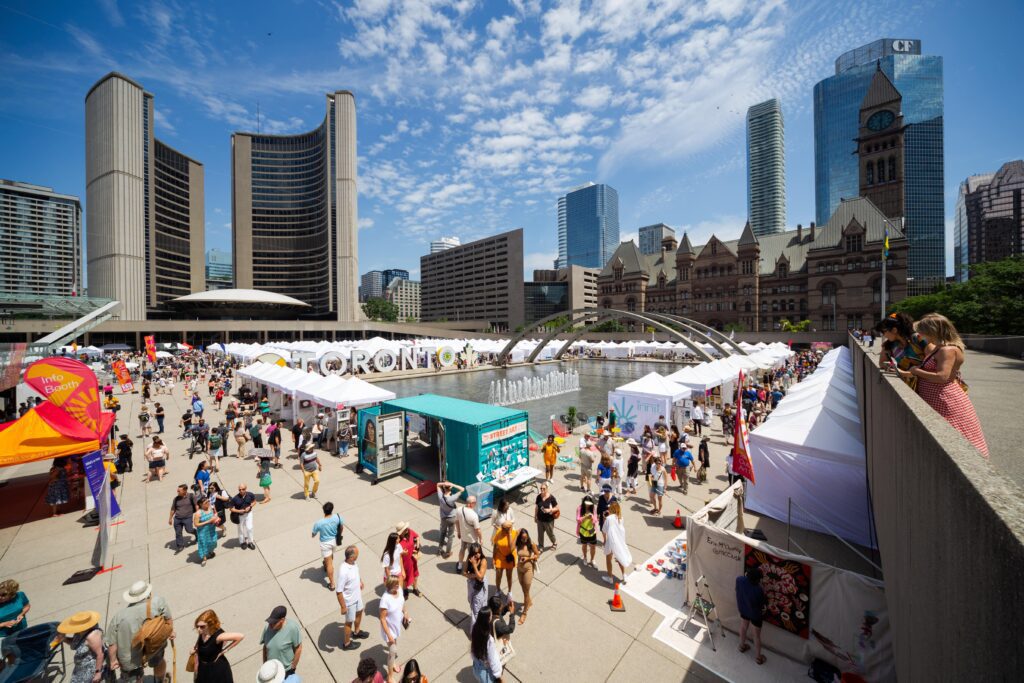
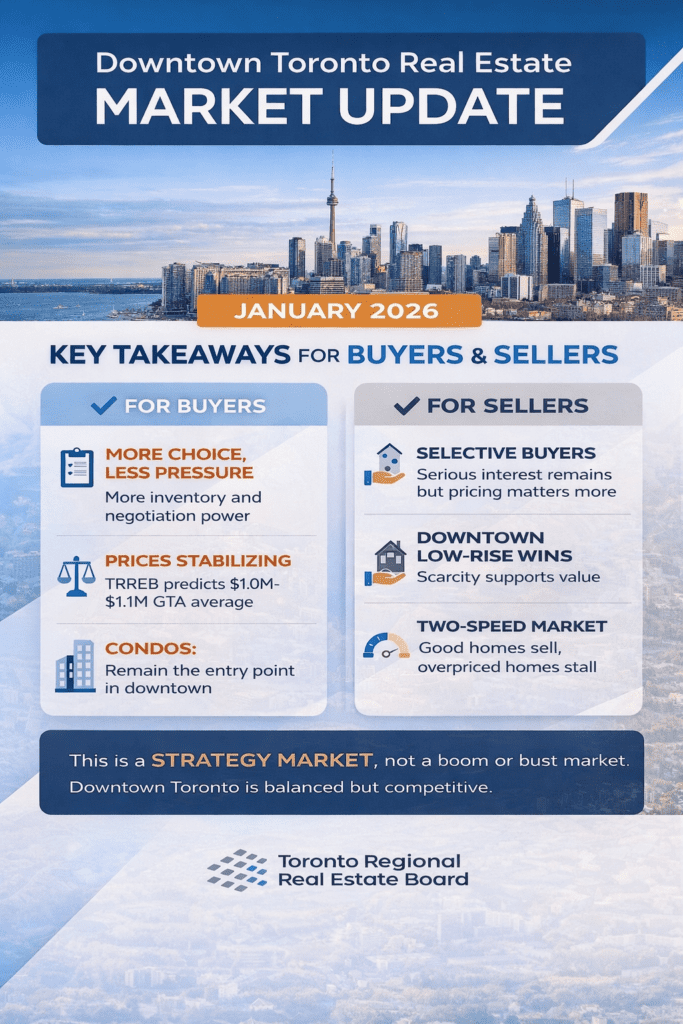
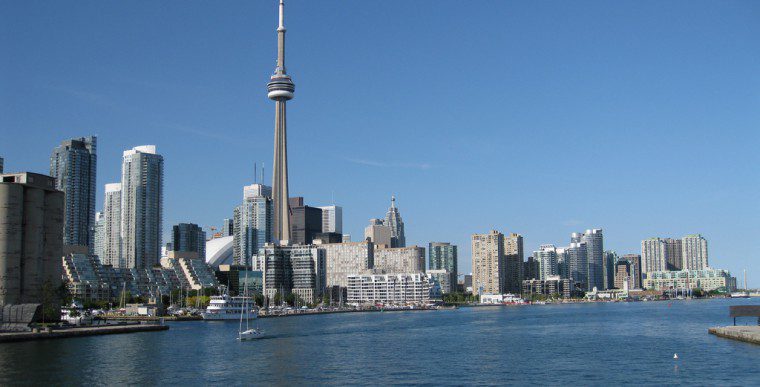
While scrolling our Instagram news feed, we came across Ross “Bist” Rheaume who is posting amazing shots of Toronto and we just have to share a a couple of his photos with you. Make sure to follow him at @bestofbist


07.10.19 | Toronto & Neighbourhoods
While scrolling our Instagram news feed, we came across Ross “Bist” Rheaume who is posting amazing shots of Toronto and we just have to share a a couple of his photos with you. Make sure to follow him at @bestofbist
07.8.19 | Media Mentions
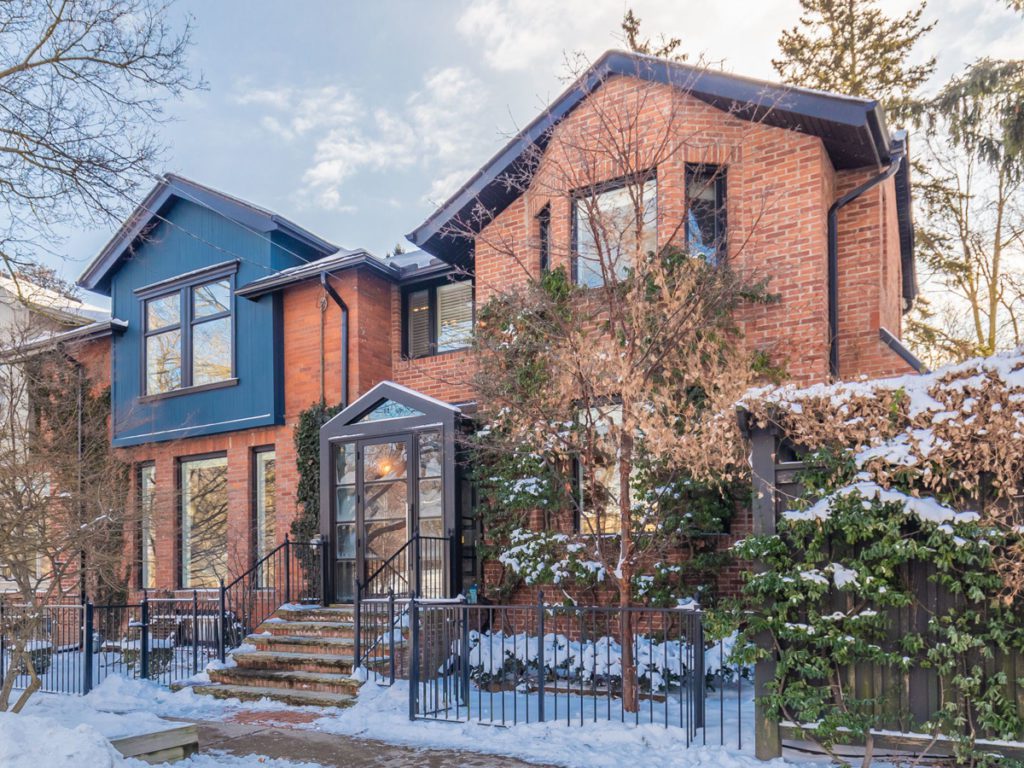
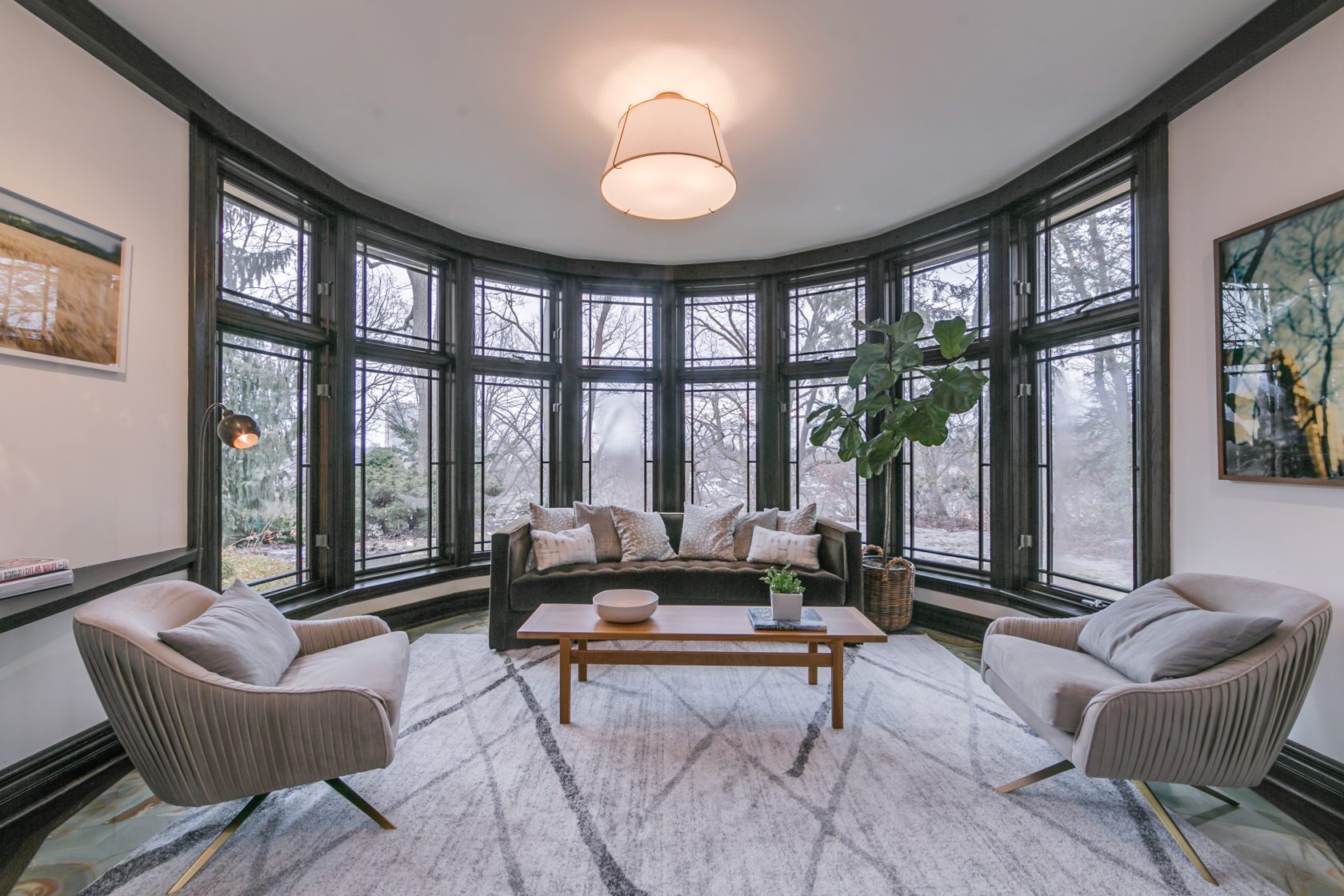
A recent sold listing at 57 Baby Point Crescent appeared as a “Sale of the Week” feature at Toronto Life. The mini-mansion had an initial problem selling, but SilverBURTNICK & associates jumped in to save the day. Check out all the information about it here, or read the original article.
Address: 57 Baby Point Crescent
Neighbourhood: Humberside
Agents: Jim Burtnick and Richard Silver, Sotheby’s International Realty Canada, Brokerage
Previously sold for: $2,800,000, in 2010, prior to renovations

Listed at: $3,988,000
Sold for: $3,820,000
A large, four-bedroom home on the Humber River, with an indoor pool in the basement.
The sellers bought the house for under $3 million in 2010 and then did extensive renovations, including a kitchen upgrade in 2012. Now, with their adult children living elsewhere, they’ve decided to downsize.

The buyers were looking for a good neighbourhood for raising a child. The upscale Baby Point enclave offers privacy and recreation, with access to the Humber River trail.
The home was originally listed for sale in the spring of 2018 for more than $4.2 million, but it failed to move, and the sellers eventually hired a different brokerage. They brought in a professional declutterer, a stager, a painter and a new photographer, and they dropped the asking price by $262,000. When they relisted, in March, there were a few offers, but the sellers held out for more money, which they finally got in June.

• $3,820,000
• $21,083 in taxes (approximately)
• 7,733 square feet (including the basement)
• 84 days on MLS (in 2019)
• 7 bathrooms
• 6 parking spaces
• 4 bedrooms
• 2-car garage

07.2.19 | Toronto & Neighbourhoods
Purchasing a home, particularly when you’ve gone from renting to owning, can be stressful, especially when it comes to managing a new budget. Added regular expenses of property taxes, mortgage payments, utilities, and insurance alongside unexpected repairs and maintenance on a home can seem overwhelming to a homebuyer.
Since homebuyers, particularly those in competitive markets like Toronto, have budgeted so much of their savings to bring the biggest possible down payment to the table and other closing costs, the unexpected expenses can add a significant strain to their budget. According to a 2018 survey conducted by The Canadian Payroll Association, “One in 5 working Canadians say they could not come up with just $2,000 within a month for an emergency expense.” Unexpected expenses of this financial scope aren’t all that uncommon. Alan Carson of Carson Dunlop says,
It can be catastrophic if the furnace or air-conditioner quits unexpectedly, or if the refrigerator or the water heater breaks down. The Home Care Plan not only provides great financial protection against significant costs, it also provides peace of mind, and eliminates the frantic search for a competent fair-priced repair person on short notice.
For over 40 years Carson Dunlop has been a widely respected name in home inspection services. One of the many items that makes them stand out is their unique and comprehensive Home Care Plan.
The Home Care Plan is tied in with their home inspections and helps alleviate some of the guesswork and the need to rely on an emergency fund. Alan says:
A home inspection does an amazing job of describing the present condition of a home. The Home Care Plan picks up where the home inspection leaves off, and protects our clients into the future. We have been involved with home warranties and similar plans for over 25 years and have never seen one that compares to this.

You don’t just need to be a new home buyer to benefit from this extensive service plan. The Home Care Plan is available to anyone who has hired a Carson Dunlop inspection within the past 12 months. Not only do home inspections help current and prospective owners understand potential issues in their homes, identifying them before they become major ones, but they also help people plan their spending. This way people have the comfort of being able to allocate their savings towards home improvements and renovations, instead of simple repairs and appliance maintenance.
The most common claims put through The Home Care Plan are appliances, with dishwashers and refrigerators at the top the list. Without this plan homeowners can usually expect to pay several hundred dollars per repair. The average rate of claim for clients is once, every other year, with the cost of the annual renewal not increasing for those who have made a claim. Alan says,
Because this is an insurance policy, it expires every year, like your automobile or homeowner’s insurance policy. However, it automatically renews, and you continue to pay the $27 per month. You will receive a notice and a new policy document once a year.
Whether you’re still climbing the ladder at work, or are retired and on a fixed income, The Home Care Plan is only $27 a month and can easily fit into a variety of budgets. Alan adds,
The $27 a month payment removes so many risks, from the heating and cooling systems, to appliances, to plumbing and electrical issues. A new furnace may cost $5,000 or more. That is a significant hardship for people on a fixed income. The Home Care Plan covers those unexpected expenses.
The plan also covers the water heater (unless it is rented), the dishwasher, stove, refrigerator, clothes washer and dryer, and additional coverage for emergency plumbing repairs, the whirlpool bath, sump pump, central vacuum system and garage door opener. Alan says, “A failed main sewer line under the front lawn typically costs $2500 to replace. The Plan provides coverage for that.”

Many condo owners don’t realize it, but they are often responsible for maintaining the heating and cooling systems within their units. So, they are responsible for maintenance beyond basic appliances. It’s estimated that the replacement of heating and cooling units can cost upwards of $5000 to $10,000. Alan says, “One might argue against purchasing the Plan in the first year, since many things are under warranty. However, most appliance warranties only provide 12 months’ coverage. Extended warranties are very expensive. We strongly encourage people to purchase the Home Care Plan before the first anniversary of a new build, and within 12 months of their home inspection.”
There are some items that will not be covered in your plan. Alan says,
Components that are non-functional or beyond their typical life expectancy are excluded from coverage. However, if those components are repaired or replaced, they are then covered under the Plan.
If a component or appliance cannot be repaired because the parts are not available, or when the cost of the repair exceeds the replacement cost, The Home Care Plan provides a fair market cash settlement for the item, and the home owner is able to replace it with the same or a different brand component/appliance.
Flexibility is one of the many benefits of The Home Care Plan, particularly for those who have two of the same items requiring coverage. Alan says,
Some homes have two furnaces, two air-conditioners or two refrigerators. The Plan only covers one of those, but the good news is that you don’t have to decide which one to cover until you have a problem. The Plan addresses the first appliance to need repair.
06.13.19 | Toronto & Neighbourhoods
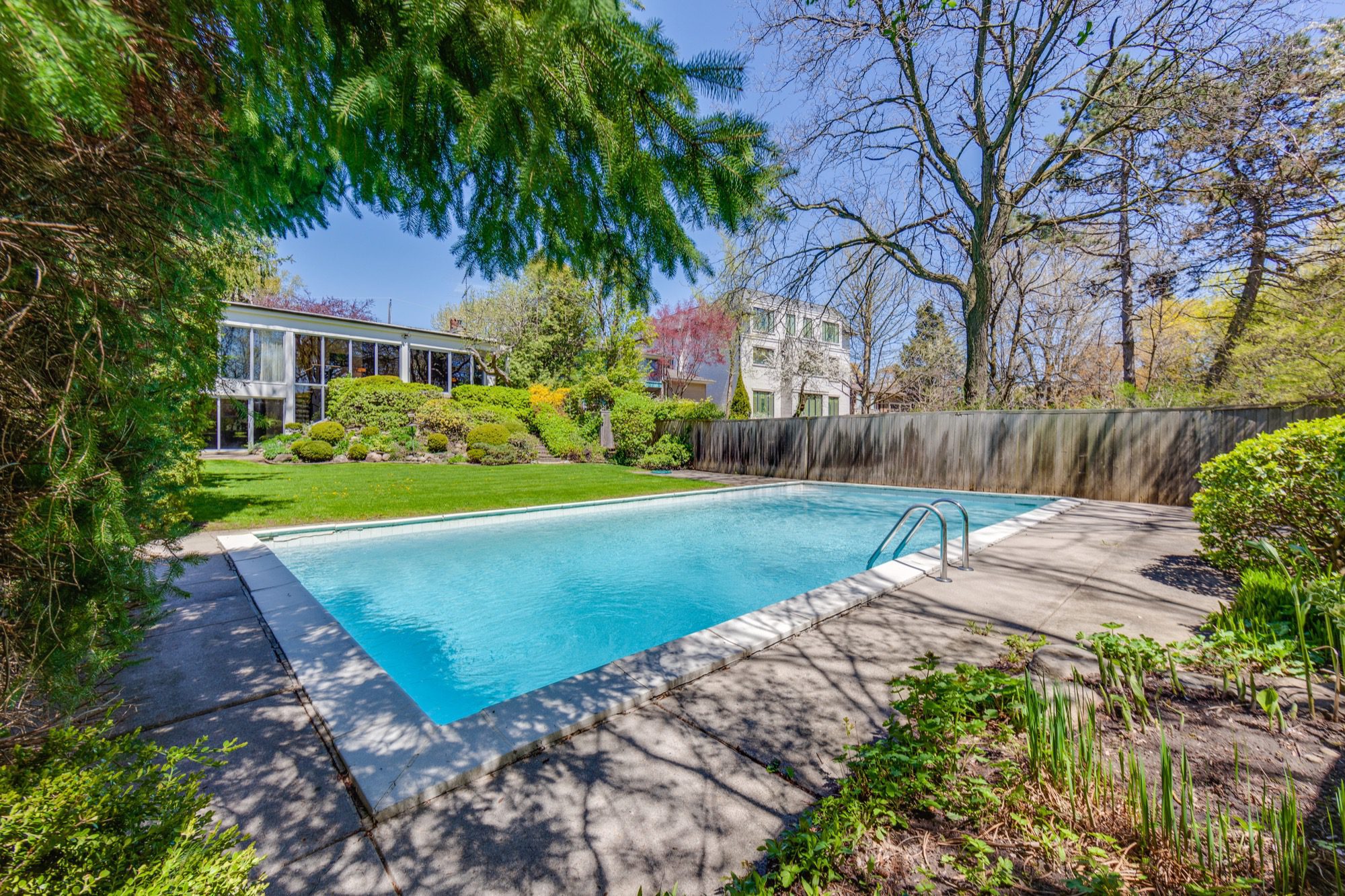
You know something special when you see it. Something that stands out from the crowd. Something that provides everything you’re looking for, while also offering original features that you never even knew you were looking for. That’s what’s on display in the captivating mid-century modern bungalow located at 15 Citation Drive.
Located in Bayview Village, this house is a unique vision brought to life. It offers stunning design in one of Toronto’s most sought after neighbourhoods. Situated on a south facing estate lot that backs onto a stream, this charming home sits on a yard that extends 60×178 feet, and stretches to 193 feet on the east side.
The main level of the house is outfitted with a master bedroom and two additional bedrooms in addition to a large open family kitchen with a centre island, breakfast bar and walk-out to the side yard. The lower level of the house has an additional bedroom, home office, 3 piece bathroom, and a, expansive recreation room with a walk-out to the backyard. It’s ideal for families, whether you’re just starting with young children, or your kids are in their teens. Its one floor layout also makes it a good fit for couples who don’t want to take up too much space.

This mid-century modern house was designed by prominent Toronto architect John Harold Bonnick to be his own family home. Bonnick was a Toronto-born architect who spent time honing his skills in Boston and London UK before returning home to embark on a successful career designing buildings in Canada. He impressed his colleagues so much at the Adamson Associates architectural firm, that he became its youngest founding partner. His self designed home would go on to be a prominent milestone in itself that would go on to be featured in Homes & Gardens magazine.
Built in the 1950’s, Bonnick’s design was ahead of its time. It features open concept living spaces that have come to dominate the modern market. Other modern touches can also be seen at the back of the house, which features floor-to-ceiling windows that takes advantage of the south facing lot by providing radiant natural light throughout the living areas.
Bonnick put a lot of care into designing this home, and his architectural prowess can be seen in every corner. Built in cupboards in the dining and living spaces offer clever storage space for china and everything else. He also kept leasure in mind by including a built-in bar and cozy fireplace in the living room and an in-ground pool in the backyard.

Beyond the home’s practical applications, its aesthetic design should be celebrated as well. It’s wooden accents and ceiling make a lasting impression. The house also features cork flooring, something rarely seen in Toronto’s homes. Clear glass transom panels above the doorways are another stylish touch, allowing light to playfully dance throughout the house.
15 Citation Drive is located in a former apple orchard, so it’s easy to see why Bonnick chose this area for his family home. The large backyard is consistently basked in sunlight throughout the day due to its south facing position. The lot also backs onto a tranquil stream and is canopied overhead by mature trees.

Bayview Village is one of the best places in the city to raise a family. The neighbourhood is surrounded by parks and schools. Bayview Shopping Centre is a one minute drive away, putting this home just moments away from necessities like a Loblaws Grocery Store, Shoppers Drug Mart, and major bank branches, as well as stylish cafes, bars, restaurants, and clothing stores. Major highways and Bayview subway station on the Sheppard Line are also nearby, providing unequaled access to the entire GTA.
The space has been incredibly well maintained, making it a veritable turn-key home, but it also means you could easily make this home your own by performing renovations. Those looking to upgrade this home to suit their modern tastes will have an easy time making changes while also keeping some its charming qualities like the cork flooring or wood detailing. The sizable backyard also makes it possible to build an extension onto the house.

You just don’t see many homes like this. In addition to its unique features and design, bungalows are becoming increasingly rare in the city as well. At one time, this neighbourhood was filled with bungalows, but oftentimes the properties are bought for the land, and the one-storey homes are torn down and replaced with larger estate type houses.
This home was designed by John Harold Bonnick to write his family’s story, and now it’s time for someone else to move in and continue 15 Citation Drive’s legacy.
[property mls_id=”15 Citation Drive”]

06.5.19 | Media Mentions
Richard Siler recently recorded an episode of Vancouver Real Estate Podcast with it’s hosts Adam and Matt Scalena, talking about the future of luxury real estate.
Here’s where you can listen:
In the midst of lagging global luxury real estate sales, Toronto’s high end product still seems to have legs! But what does the future of global real estate look like and how does it inform other, more local markets. Meet Richard Silver. He’s the former President of the Toronto Real Estate Board, a Certified International Property Specialist for Sotheby’s Realty, and was named one of the “100 Most Influential People in Real Estate” by San Francisco’s Inman News. Where are the global elite buying? Will Vancouver and Toronto remain on the international stage? And what does all this mean for Canadian Real Estate?! Grab a glass of the finest brandy and a spoon or two of caviar… this episode’s luxurious!

About Richard:
Richard Silver is the VP and Senior Global Real Estate Advisor at Sotheby’s International Realty. He is a past president of the Toronto Real Estate Board. He was born and raised in Alberta, but moved to Toronto to pursue a career in dancing, singing and acting. He has a degree in dance from the University of Oregon and he taught dance at York University. He decided to take a real estate course, which started his real estate journey. He did not know many people in Toronto when he started in real estate and he built up his sphere of influence through hosting open houses and hard work.
On the global slow down in luxury real estate that seems to be happening currently:
Richard feels that the slow down is very location based – real estate is local. When looking at stats, you can see London is hurting and New York is hurting, but Toronto is still doing fine. There was a slow down 2 years ago in Toronto associated with the foreign buyers sales tax, but the market has rebounded. The downtown area in Toronto is still going strong, but the surrounding suburbs of Toronto are a bit softer.
On why he feels Toronto is weathering the slow down better than some other world markets:
Generally, Toronto has a net immigration to the city of over 100,000 people per year. Some of these people are from other parts of Canada, but they are also from foreign countries. People are coming from the Pacific Rim, Europe, the far east and the Middle East. This makes for a diverse foreign buyer segment and helps drive the Toronto market.
On recent restrictions of capital outflows from China:
It is much more difficult to get money out of China these days. There are still people from China looking to buy properties in Toronto. There is a strong focus for these groups toward private schools, universities, health services, clean air and other factors that attract Chinese buyers to move from China.
We are seeing the same capital restrictions in India and Russia which is making it harder to move money to Canada from these markets.
On how he got to focus on China and the global elite segment of the real estate market:
When he started real estate, he lived very close to Chinatown in Toronto. He worked with many Chinese buyers. At that time, there were a large number of Cantonese speaking buyers coming from Hong Kong. Now, Toronto has a large population of Mandarin speaking buyers that are attracted mainly by the access to private schools. Richard has been to China 4 times throughout his career and he enjoys going and talking to people to see what makes them tick, answering their questions, helping them navigate Canada. Many people ask him about the differences between Toronto and Vancouver. Richard feels that Toronto is where you make your money and Vancouver is where you spend your money. Vancouver may have the best lifestyle of anywhere in Canada where people have a work life balance and take advantage of the many outdoor amenities. Toronto is more business focused with people working longer hours with less of a focus on being outdoors.
On the differences in the real estate markets of downtown Toronto versus the surrounding Toronto area (GTA):
Canada has an advantage over the United States when attracting foreign students because Canada offers a 3-year work permit to student after they finish University. This is a big driver for foreign buyers coming to Toronto and living in the downtown area – where most of the schools, businesses and amenities are.
As the traffic gets worse in Toronto, you see people trying to move closer and closer to the downtown of the city to cut down on their commute. The downtown high-end areas are becoming very busy these days – the push is related to accessibility. There is also a lot of building going on in the downtown core, but the infrastructure and transit systems need to keep pace with all the people making their home in the city.
On how foreign buyers are different than local seller and buyers:
People in the world are different and you need to know how to relate to them. For example, you need to think about how you present a business card and how you shake hands. There is a diverse group of people immigrating to Toronto – speaking in generalities, people from China may be concerned with education, people from India may be concerned with property appreciation and the cap rate of a purchase. There is also a very strong Persian community in the city. The diversity is what makes Toronto great and Richard loves working with all different types of people, but you must understand different peoples needs and what they want out of a home.
On foreign buyers and if they are good for Toronto’s real estate market:
Yes, they are great for the market. Richard was originally a bit shocked when Vancouver implemented the foreign buyer’s sales tax because he felt like it might be targeting one group of people over another. When the same tax was implemented in Ontario, the government required that the legal community keep records of people’s residence to gather statistics. What they found was that 3% of the real estate market was due to foreign buyers buying for investment with no intention to live in Canada. This was much lower than had originally been suggested.
There are taxes designed at addressing vacancy in the city, but Toronto does not seem to have a vacancy problem with homes sitting empty. There are lots of rental properties in Toronto and the idea that properties are sitting vacant in either Vancouver or Toronto seems to be a large misconception – this is just not the case.
How have foreign buyers reacted to the non-resident speculation tax in Toronto:
It has not been a positive thing for them, but people are still buying. If you are buying in US dollars, you are still getting a 30% discount by buying in Canada over the United States – these people are still buying. The market has slowed due to the tax in combination with people from China and India having a tougher time getting their money into Canada, but there still a lot of people that are investing in Toronto, living here and starting businesses here.
On why Toronto is wreathing the market slow down better than Vancouver:
The economy is south western Ontario is going through a bit of a boom right now. This is attracting people from other parts of Canada and even people from the United States. There are 180 construction cranes in Toronto right now and there is a market frenzy to buy. The net immigration to the city of over 100,000 people a year is driving demand. We are also seeing less and less retired people downsizing to a condo in the traditional manner that we have seen in the past. These factors are driving Toronto’s market.
On the next 3-5 years for the Toronto Real Estate market:
Richard feels the market will continue to be strong over the next 3 to 5 years. The major factors are high immigration and low mortgage rates. The United States is coming up on an election in 2020 and historically mortgage rates in the USA are low when approaching an election. This suggests low rates in Canada as well, which will continue to drive the real estate market. Canada is the best county in the world and we will continue to see people from other parts of the world moving here.
On his thoughts on the Vancouver market:
The Vancouver real estate market is always 30-40% higher than Toronto. People complain about the prices in Toronto, but Vancouver is much higher. This price difference is driven by the outdoor amenities in Vancouver and people are willing to pay for them.
On real estate being a global asset class going forward:
There are great places to live in the world and each place has its own set of special factors that attract people. Mountains, lakes, weather, business interests, etc. High net worth individuals own multiple properties and they are in different parts of the world and they are moving in between the properties. As this trend continues, we will continue to have a strong world economy. There are large populations in China and India and a large amount of these people are doing very well economically and want to diversify and move to other parts of the world. This will affect Canada’s marketplace because we have an attractive country, economically safe, where people want to live. As prices in London and other superstar cities continue to increase, cities like Toronto will become very attractive to people looking to purchase real estate.
Five-wire (Toronto edition):
05.30.19 | Business
Advances in technology and shifts in culture have allowed Canadians to do things we would have never imagined. Take for example working from home. With instant messages and conference calls, some employees barely have to set foot in an office. Now, purchasing a home remotely—that is, putting in an offer without ever setting foot in the property—is gaining popularity. Though it may seem radical to some and controversial to others, North Americans are doing it more than ever.
A 2017 U.S. homebuyers survey found that 33% of buyer make an offer before ever seeing the property. This grew from 19% in 2016 and from 21% in 2015. What’s more astounding is that 41% of these buyers were millennials, 30% were Gen X buyers, and 12% were baby boomers. Younger generations are surely embracing this new way of buying a home.
In addition to millennials, remote property purchases have been popular with those looking for a vacation home, looking to invest in real estate, or hoping to help their children buy a home. These buyers may not want to waste several days flying back and forth to and from a far away city just to look at the home. Especially in the investment property setting, the buyer may not even care what the property looks like. It only matters that they can rent it out and that the market value of the property will appreciate. And information from their real estate agent, a trusted third-party, and visual aids are enough for these types of buyers to put down an offer.
With how a quickly the Toronto real estate market moves, it may not even be realistic for an offshore buyer to visit Toronto to see the property. By the time travel arrangements are made, the property may already have closed with another buyer.
Richard Silver, Senior-Vice President of Sales at Sotheby’s Realty, warns that it’s never a good idea to purchase a property without seeing it first.
However, remote property purchases are, as Silver states,
Done mostly through third parties who have a strong relationship with the buyer and have established a strong rapport with them.
Sometimes this third party is a friend or family member, but it can also be a real estate agent. A real estate agent in the city you’re planning to buy in can handle most of your transaction on your behalf. This is why finding a good agent is critical in the remote home-buying process.
Quite obviously, it’s ideal that this realtor has experience with the remote home-buying process. This can confirm that he/she understands how the process is done and that they can work with the right technologies and people to close the deal fast and efficiently. They can also make recommendations on local mortgage lenders who work with foreign buyers.
You also need to consider whether the agent works regular business hours. To make the process work, he/she needs to be available 9-5 to help with home-buying procedures such as a home inspection. If your agent is only available evenings and weekends, it may make the whole process impossible.
Lastly, as Silver mentioned before, it’s important to find a third-party you trust. Make sure that whichever realtor you work with, especially if you don’t have another third-party to help you, is someone you have a good relationship with and is someone you can trust.
There are a variety of ways to see what you’re buying without visiting the property in person. Silver notes that,
Buyers who are not there in person can use floor plans and descriptions from a builder or the seller.
Similar to buying a pre-construction where you can’t see the physical unit, a floor plan can help you visualize what the property will look like. And descriptions can note further details and quirks about the space.
Photos of the property are also great ways to see what you’re buying. However, Silver warns that photos are often used to enhance the property.
With photos being edited and Photoshopped to make the property look nothing short of perfection, the buyer may end up with an apartment or home that is less than that they expected. These are just a few of the shortfalls of buying remotely. Again, this is why, as Silver mentioned earlier, it’s good too have a third-party that you trust visit the property and make sure that it’s everything it promised to be.
Video tours of the home are commonly the better alternative to photos. Videos are harder to fake in terms of appearance. They also provide a fuller visual of the home and simulate how it’ll be when you walk through the property.
There are also more advanced visualization tools such as 3D home models and 360-degree cameras. However, these won’t come attached to every property listing as they can be beyond the seller’s marketing budget. The properties that do have these marketing collaterals are commonly luxury properties or the precise sellers looking to attract remote buyers.
The largest issue with a remote property purchase is the fact that the buyer can’t inspect the property themselves. Silver sees this as the major issues of buying remotely:
Home purchases are usually larger amounts of money and I would never suggest that a sizeable purchase be made unseen.
Additionally, the fact that a buyer has not visited the property could create some legal issues. Silver notes:
Our TREB Agreements of Purchase and Sale have a clause that the Buyer has inspected the property and if they have not, [the contract] must be altered. It could be a nightmare if the Buyer decides not to close and is offshore.
While technology and cultural shifts have made it more common to purchase remotely, it should be used as a last resort. It’s ideal to see the property in person before making such a large purchase. In the worst case scenario, things won’t be what they seemed in the pictures and videos and you’ll be stuck with a poor purchase on your hands. However, if you’re running a busy lifestyle and don’t have time to see the property in person, a remote purchase could be the way to go.