From Game Day to Every Day: Discover Homes Near Rogers Centre That Keep You Close to the Action

10.30.25 | Buying

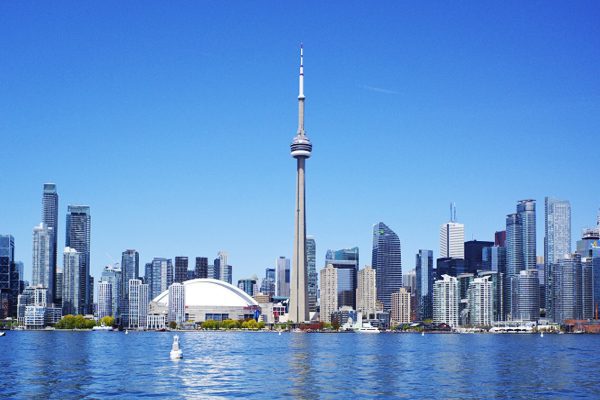
Toronto is a city bursting with energy, culture, and sports pride. For many, the Toronto Blue Jays are a big part of that vibrant atmosphere. The Rogers Centre, home to our beloved Blue Jays, sits at the heart of downtown Toronto. For those who love baseball and want to savour city life, living near the Rogers Centre can offer an exciting lifestyle.

Whether you’re right-sizing, downsizing, upsizing, or even owning homes around the world, Toronto’s market has something for you. Let’s explore what the Greater Toronto Area has to offer to match your needs and interests.

The Problem: High Demand for Toronto Homes Near Sports Venues

It’s not surprising that the area around the Rogers Centre is one of the most sought-after in Toronto. From local professionals to international buyers of second homes, the allure of living near iconic sports venues is strong. However, this popularity creates a challenge: finding the right home amid high demand and limited inventory.

Key issues include:

– Limited Availability: Many people want to live close to the action, so it’s a competitive market.
– Price Fluctuations: With high demand comes market fluctuations, making it tough to find the right time to buy.
– Urban Living Needs: Some clients need homes that fit their specific desires, like outdoor space or modern amenities.

Why This Matters for You

Living near the Rogers Centre means excitement at your doorstep and easy access to games, restaurants, and cultural landmarks, such as the CN Tower. However, with competition comes the risk of missing out on your ideal home if you don’t act quickly. It’s essential to understand these challenges to make informed decisions.

The Agitation: Meeting the Needs of Different Buyers

Whether you are downsizing, upsizing, right-sizing, or purchasing a second home, Toronto’s market offers unique opportunities. But finding the perfect fit requires careful planning and anticipation of market shifts.

– For Those Downsizing or Right-Sizing: Smaller, more manageable homes are in demand. The area is perfect for those seeking a vibrant downtown lifestyle without the responsibilities of a larger property.
– For Upsizers: Families or individuals needing more space might find it tricky to locate bigger homes right in the heart of the city.
– For Local Professionals: Proximity to work and play offers efficiency. Short commutes and access to nightlife make it an appealing choice.
– For Second Home Owners: Investing in a home near such a central node as the Rogers Centre adds value, thanks to its entertainment appeal and rental potential during off-seasons.

It’s like finding that perfect balance between excitement and home comfort, which isn’t always easy given the bustling nature of the area.

The Solution: Finding the Perfect Home Close to the Blue Jays Action

Here’s how different types of buyers can find their ideal home in this high-demand market.

For Downsizers and Right-Sizers

– Cozy Condos: Look for units in buildings with great amenities like gyms, pools, and rooftop gardens. These offer convenience and ease.
– Cities at Their Doorstep: Embrace the smaller square footage for the benefit of having cafes, shops, and the stadium just a walk away.
– Flexible Living: Choose locations with flexible layouts that can change as life changes.

For Upsizers

– Explore Nearby Suburbs: Consider neighbourhoods slightly further out but still within easy reach of the Rogers Centre.
– Larger Units in New Developments: Large units in modern buildings offer space with all the benefits of urban proximity.
– Buy for Future Growth: Look at places with room to grow, whether it’s a second child or a new hobby needing extra space.

For Local Professionals

– Mixed-Use Buildings: These provide workspaces and homes under one roof—maximizing convenience.
– Live-Work Spaces: Perfect for those who want to keep their commute to a minimum while enjoying city life.
– Neighbourhood Hotspots: Find places located near vibrant social scenes for after-work entertainment.

For Second Home Owners

– High Demand Means High Returns: Owning in a bustling area offers strong rental income potential when you’re away.
– Luxury Suites: Consider high-end establishments that offer luxurious amenities and concierge services.
– Connect to Culture: Properties near the Rogers Centre link you to Toronto’s lively sports and cultural activities.

Making Your Toronto Home Purchase

Navigating Toronto’s busy and competitive market needs strategy and insight. Here are some steps you should consider:

– Stay Updated on Market Trends: Understand price trends and inventory changes.
– Work with a Knowledgeable Agent: Having someone who knows the niches well can help you react quickly to opportunities.
– Prioritize Needs and Wants: Determine what aspects are crucial to your lifestyle and focus on those.

Why Now Is the Right Time

The Greater Toronto Area continues to thrive with its dynamic real estate landscape. Despite some market challenges, the cultural and lifestyle benefits of living near the Rogers Centre are hard to beat. The city’s enduring appeal means strong long-term value, whether you are a local, a professional, or a globe-trotting homeowner.

Investing in a home near the Rogers Centre is about more than just living near a baseball stadium—it’s about being part of a community and a lifestyle that’s quintessentially Toronto. So get ready to say “Go Blue Jays, Go!” from your very own home close to all the action.

SilverBurtnick & Associates
Sotheby’s International Realty Canada
💻 www.torontoism.com
✉️
📞 416-587-3300

#TorontoRealEstate #GTARealEstate #RealEstateToronto #RealEstateGTA #TorontoRealtor #TorontoRealtors #OntarioRealEstate #RealEstateOntario #TorontoHomes #GTAHomes #TorontoLiving #TorontoHomeStaging

Buying Your First Home? Let’s Get You Settled in Toronto Before the Snow Hits

10.30.25 | Business

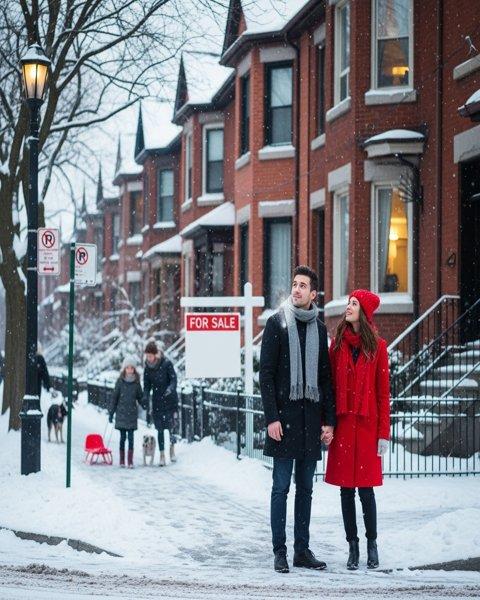
If you’re thinking about buying your first home in the Greater Toronto Area (GTA), autumn is the perfect time to make your move. You’re likely excited and maybe a little nervous about this big step. However, don’t worry; the fall season offers numerous benefits for first-time homebuyers and those looking to downsize, upsize, or find second homes.

Why Buy in Fall?

The fall season presents unique opportunities for home buyers in Toronto. For one, the cooler weather can help reveal aspects of a home that might be hidden in warmer months. Heating systems can be tested to ensure they’re ready for winter, and you can check for drafts or any other issues that become more noticeable as temperatures drop.

More Choices, Less Competition

Fall often brings more inventory to the market, which means there are more homes to choose from. Unlike the spring and summer, you might face less competition. This can give you an advantage when negotiating prices or terms. Additionally, buying before winter allows you to settle in and enjoy holiday celebrations in your new home.

The Importance of Financial Preparation

Buying a home starts with financial preparation. It’s a good idea to check your credit score, make a budget, and save for a down payment. Getting pre-approved for a mortgage is another smart move. This shows sellers that you are serious and ready to buy, which can be a significant advantage in competitive situations.

Finding the Right Home

When looking for a home, start by listing your must-haves. Do you want a yard, a specific neighbourhood, or modern amenities? Research different areas and attend open houses. Setting up property alerts can help you stay on top of new listings, so you don’t miss out on the perfect home.

Making an Offer and Closing the Deal

Once you find the right home, you’ll need to make an offer. Working with an experienced real estate agent is critical. They can help craft an appealing offer and manage contingencies like inspections and appraisals. They will also help you navigate the closing process smoothly, which is crucial, especially if you have a complex situation or are purchasing a second home.

Preparing for Toronto’s Winter

Preparing for Toronto’s long winters is essential once you buy. Insulate your home by weatherstripping doors and windows and installing storm windows. These steps will help keep you warm and save energy. Maintain heating systems, clean gutters, and check the roof to prepare for snow and freezing temperatures.

Details Matter

Beyond the basics, consider the small details that ensure your new home is ready for winter. Repair driveway cracks to prevent further damage and store outdoor furniture safely. Ensure all smoke and carbon monoxide detectors function properly and that sump pumps are ready for use.

Emergency Readiness

Being prepared for winter also means having a basic emergency kit. Stock up on non-perishable food, flashlights, batteries, and first-aid supplies. This is wise for every homeowner, whether new or seasoned, especially during Toronto’s unpredictable winter storms.

Why Fall Is Ideal for Busy Professionals and International Buyers

For busy local professionals and international buyers, moving in the fall makes even more sense. It helps avoid the complications of relocating during winter with snow and ice. It also means settling in before the holiday season, achieving a smoother transition without added stress.

Making the Move

If you’re thinking of buying a home in the Greater Toronto Area, this fall could be the ideal time. Whether you’re a first-time buyer, considering downsizing, upsizing, or purchasing a second home, the season offers ample opportunity and benefits.

Reaching Out

For expert assistance with listing, marketing, and purchasing homes in the GTA, consider reaching out to the professionals who can guide you through such significant life changes. They can help make sure moving into your new home before the first snowflake falls is seamless and stress-free. Don’t wait too long, though; winter isn’t far off, and buying your home now means you’ll be living in coziness and comfort by December.

SilverBurtnick & Associates
Sotheby’s International Realty Canada
💻 www.torontoism.com
✉️
📞 416-587-3300

#TorontoRealEstate #GTARealEstate #RealEstateToronto #RealEstateGTA #TorontoRealtor #TorontoRealtors #OntarioRealEstate #RealEstateOntario #TorontoHomes #GTAHomes #TorontoLiving #TorontoHomeStaging

Vacant vs. Underused: Understanding Canada’s Empty Home Taxes

10.28.25 | Business

What Every Toronto Homeowner and Investor Needs to Know

As Toronto’s real estate market continues to evolve, two relatively new taxes have taken centre stage for property owners: the Vacant Home Tax (VHT) and the Underused Housing Tax (UHT). These taxes were introduced to increase the housing supply by encouraging owners to either occupy or rent their residential properties — and to penalize those who leave them vacant.

Whether you’re a long-time Toronto resident, a seasonal investor, or an overseas owner, understanding the difference between these taxes — and whether you need to file — is critical to avoid unexpected costs and penalties.

Let’s break down what you need to know.


1. Vacant Home Tax (VHT) – Municipal Tax

The Vacant Home Tax is a municipal initiative introduced by the City of Toronto in 2022. Other cities, like Ottawa and Vancouver, have similar programs, but Toronto’s version specifically targets residential properties that sit unoccupied for more than six months in a calendar year.

Jurisdiction:

  • Municipal (applies only within the City of Toronto limits)

Who Pays:

  • All residential property owners, including Canadian citizens, permanent residents, and corporations

This tax applies regardless of your residency status. If you own a home or condo in Toronto, you must file an annual declaration — even if you live in it full-time.

Rate:

  • 1% of your property’s Current Value Assessment (CVA) if it’s vacant for more than six months in a calendar year

  • Toronto increased this rate to 3% starting in 2024 for properties that remain vacant.

Therefore, a home assessed at $1.5 million could incur an annual tax bill of $15,000–$45,000 if it remains unoccupied.

 Declaration Requirements:

  • Annual Declaration Deadline: Typically end of February (Feb 29 in 2024 for the 2023 tax year)

  • If you fail to file, the City may assume your property is vacant and apply the tax automatically

Filing is simple and can be done online at:
👉 toronto.ca/services-payments/property-taxes/vacant-home-tax


 2. Underused Housing Tax (UHT) – Federal Tax

While the VHT is a local initiative, the Underused Housing Tax is a federal initiative that took effect in 2022. It’s designed to discourage foreign ownership of underutilized housing across Canada — but many Canadian-owned entities are still required to file, even if they don’t owe tax.

Jurisdiction:

  • Federal, administered by the Canada Revenue Agency (CRA)

Who Pays:

  • Primarily non-resident, non-Canadian property owners

  • However, certain Canadian corporations, partnerships, and trusts are also required to file

This means that if your property is held in a corporation or trust, even if you’re a Canadian, you may still need to file a UHT return — or face stiff penalties.

Rate:

  • 1% of the property’s value (either assessed or recent sale price, whichever is higher)

Example: A $1.2 million home could face a $12,000 federal tax bill if deemed underused.

Declaration Requirements:

  • File CRA Form UHT-2900 annually

  • Deadline: April 30 of the following year (e.g., April 30, 2024, for the 2023 tax year)

  • Penalties:

  • $5,000 minimum for individuals

  • $10,000 minimum for corporations, even if no tax is owed

Filing is mandatory for affected owners, whether or not your property is underused.

More info from the CRA:
👉 canada.ca/en/revenue-agency/services/tax/businesses/topics/underused-housing-tax.html


Summary: Key Differences at a Glance

Feature Vacant Home Tax (VHT) Underused Housing Tax (UHT)
Level of Government Municipal (Toronto) Federal (CRA)
Who Must File All Toronto property owners Non-residents, some corporations/trusts
Tax Rate 1% (up to 3% in 2024) 1%
Declaration Needed? Yes, annually Yes, annually
Penalties Tax automatically applied $5K–$10K fines if not filed

What You Should Do

If you own residential property in Toronto, make sure to:

  • File your VHT declaration annually, even if you occupy the property full-time

  • Check if you or your entity is required to file a UHT return, especially if you’re not a Canadian citizen or if your property is held in a trust or corporation.

  • Avoid penalties by meeting deadlines and consulting a tax professional if you’re unsure.


Opinion: It’s Time to Lift the Ban on Foreign Buyers in Canada

10.28.25 | Business

Canada’s real estate market is a vital component of our national economy and a reflection of our values as a diverse, globally-connected society. Yet since the introduction of the Prohibition on the Purchase of Residential Property by Non-Canadians Act in January 2023, the federal government has taken a restrictive approach that not only limits investment but also sends a message that Canada is closing its doors to international participation in one of our most dynamic sectors.

This legislation, often referred to as the “foreign buyer ban,” was intended to address housing affordability by curbing speculative purchases by non-residents. But with the latest extension of the ban through to 2027, we must now ask: is this policy actually helping Canadians—or hindering economic recovery and growth?

Let’s be clear: the federal government’s permanent resident plan acknowledges the importance of immigration for population growth and economic stability. Canada aims to welcome nearly 500,000 new permanent residents annually—a record number that reflects both our values and the demographic reality of an aging workforce. But if we are welcoming newcomers with one hand while banning them from homeownership with the other, we are contradicting ourselves—and making housing less accessible, not more.


The Ban: A Misguided Approach

At its core, the foreign buyer ban prohibits non-citizens and non-permanent residents from purchasing residential property in Canada. Exceptions exist for international students, refugees, and certain workers under strict conditions—but these are narrow and hard to navigate. The policy was introduced as a political response to affordability concerns, but there is little evidence that foreign ownership was a major driver of housing unaffordability, particularly in 2024 and 2025 when foreign buyer activity fell to record lows.

What’s more, Canadian cities like Toronto and Vancouver were already managing foreign purchases through speculation taxes and non-resident taxes. In fact, in 2022, foreign buyers represented less than 3% of the market in Ontario. The ban addressed a problem that had largely already been mitigated, while creating new complications for real estate professionals and international clients.


Immigration and Ownership Go Hand in Hand

The government’s commitment to high immigration targets means millions of new residents will seek to establish roots in Canada. Homeownership is often one of their first goals. By restricting access to real estate for those who are not yet permanent residents or citizens, we create unnecessary delays and inequities.

It’s important to note that many immigrants arrive on temporary work permits or student visas and later transition to permanent residency. Under the current rules, those individuals are not eligible to purchase homes—even though they contribute to our economy, pay taxes, and often have the financial means to invest in Canadian property. This sends the wrong message about inclusion, stability, and long-term settlement.

As a team of Toronto-based REALTORS® who work closely with newcomers, we’ve seen the confusion and frustration this policy creates. Clients who are eager to buy homes, raise families, and build futures in Canada are being told to wait—often for years. That delay puts pressure on rental markets, increases demand for temporary housing, and further strains an already complex housing supply system.


A Call to Action for Real Estate Boards

It’s time for all Canadian Real Estate Boards to lobby the federal government to lift the foreign buyer ban. Boards like the Toronto Regional Real Estate Board (TRREB) and the Canadian Real Estate Association (CREA) have a responsibility to advocate for balanced, inclusive policies that support both housing affordability and market health.

Rather than a blanket ban, we should return to targeted tax policies, improve data collection on ownership, and increase investment in supply. The solution to affordability lies not in banning demand, but in boosting supply and ensuring smart, evidence-based planning at all levels of government.

As REALTORS®, we are not advocating for unchecked speculation—we are advocating for fair, inclusive access to real estate for all who live, work, and contribute to Canada. That includes newcomers, foreign workers, and transitioning residents.


Why Now?

In 2025, we are facing a very different real estate landscape than we were in 2022. Sales have stabilized, interest rates remain high, and the demand for housing is growing—driven not by foreign capital but by immigration and population growth. The extension of the ban through 2027 is no longer justified.

Canada should be encouraging international investment in ways that align with our economic goals and values—not arbitrarily restricting it. Lifting the ban now would support housing construction, increase economic activity, and send a powerful message that Canada is open, fair, and forward-thinking.


At Silver Burtnick and Associates, we believe in a vibrant, diverse, and sustainable real estate market. We encourage all stakeholders—from policymakers to REALTORS®, to real estate boards across the country—to support lifting the ban and to advocate for smarter housing policies that welcome new Canadians rather than deter them.

If you’re looking to learn more about how this affects you—or want to discuss your options as a buyer or seller in today’s market—visit us at www.Torontoism.com or reach out to Richard Silver, Jim Burtnick, Celia Alves, Jose Sanchez, or Bill Johnston. For stunning visuals and marketing that sets your listing apart, trust our media experts.

Together, we can help shape a more inclusive and prosperous housing future for all Canadians.


Silver Burtnick and Associates | October 2025
www.Torontoism.com
Toronto Real Estate with a Global Perspective.

THE REALITY OF THE TORONTO REAL ESTATE MARKET FOR OCTOBER 2025!

10.20.25 | Downsizing

From the Peak to Today: What’s Happening with Prices?

As the leaves change and we settle into fall, it’s a good time to reflect not just on the season but also on how far the Toronto real estate market has come since its all-time high in February 2022 — and where it may be headed next.


The 2022 Peak — And the Reality Now

February 2022 marked the highest average home price in Toronto history, with the GTA average price hitting $1,334,544, according to the Toronto Regional Real Estate Board (TRREB). Driven by ultra-low interest rates and pandemic buying frenzy, that market was an anomaly — unsustainable and emotional.

Fast forward to October 2025, and average prices have corrected significantly, especially in the low-rise detached and semi-detached segments. As of September 2025:

  • The GTA average selling price is hovering around $1,082,000, down ~19% from the peak.
  • Condo prices have been more resilient, especially in central Toronto, with some areas only down 5–8% from their highs.
  • Sales volumes remain sluggish, but there’s more inventory, giving buyers more choice and power.


So, When Are 2022 Prices Coming Back?

That’s the big question — and the honest answer is: not anytime soon. Here’s why:

  • Interest rates are still elevated compared to pre-2022, limiting buyers’ purchasing power.
  • The Bank of Canada is signalling gradual rate cuts, but not enough yet to fuel a major upswing.
  • Affordability remains a critical issue. Many buyers are stretching even at today’s prices.
  • Investor activity is muted, particularly with the introduction of new federal and provincial housing policies.

Our forecast (and we’re not in the business of sugar-coating):
We likely won’t see February 2022 prices return until at least 2027–2028, and that’s assuming interest rates begin to fall meaningfully, immigration continues to fuel demand, and confidence returns to the market.

What This Means for You

Whether you’re thinking of sellingconsidering a move, or waiting to buy, it’s crucial to act based on current market conditions — not past peaks.

📍 If you’re a seller: Pricing your home properly is key. Overpricing leads to stale listings in today’s buyer-savvy market.

📍 If you’re a buyer: There’s opportunity in today’s market, especially with motivated sellers and longer days on market.

📍 If you’re an investor: Be strategic. Look for areas with future growth potential — especially transit-connected and densifying neighbourhoods.


👥 Talk to the Team That Knows Toronto Inside Out

Our team — Richard Silver, Jim Burtnick, Celia Alves, Jose” Sanchez, Bill Johnston– is here to help you navigate this market with experience, data, and strategy.

U.S. BUYERS: Here Is What You Need To Know About Buying In Canada In 2025.

08.28.25 | Buying

1. Federal: Ban on Non-Canadians Purchasing Homes

  • As of January 1, 2023, the Canadian federal government enacted the Prohibition on the Purchase of Residential Property by Non‑Canadians Act, which bars non‑citizens and non‑permanent residents from purchasing most residential properties in Canada.

  • This ban was extended in February 2024 and now remains in force until January 1, 2027.

  • Applies only within designated “Census Metropolitan Areas” (CMAs) and “Census Agglomerations” (CAs)—such as Toronto, Ottawa, and Vancouver. Rural or cottage‑country regions outside those don’t automatically fall under this restriction

  • Exemptions exist if you’re:

    • Temporary residents with a valid work permit (minimum 183 days remaining) —and buying only a single residential property

    • International students meeting strict criteria (past five years of Canadian tax returns, 244 days/year in Canada, purchase price under $500,000, first property

    • Protected persons/refugees, or if you’re buying with a Canadian citizen or permanent resident spouse/co‑owner, or through inheritance/divorce


2. Provincial: Ontario’s Non-Resident Speculation Tax (NRST)

  • On top of the federal landscape, Ontario charges a 25% Non‑Resident Speculation Tax (NRST) on the purchase price of residential properties (1–6 units) by foreign buyers

  • If a non‑Canadian buys with a Canadian citizen or permanent resident, it doesn’t split or prorate—the full 25% NRST applies to the full property value

  • Possible rebates:

    • If you become a permanent resident within four years of purchase

    • And live in the property as your principal residence within 60 days after purchase


3. Municipal (City of Toronto): Municipal NRST (MNRST)

  • As of January 1, 2025, the City of Toronto added its own 10% MNRST on top of the provincial NRST and standard land transfer taxes.

  • Combined, a non‑Canadian purchasing a residential property in Toronto might pay:

    • 25% NRST (Ontario)

    • 10% MNRST (City of Toronto)

    • Plus standard land transfer taxes (provincial and municipal)

  • No grandfathering applies—if closing is January 1, 2025 or after, the MNRST applies, regardless of when the agreement was signed.

  • Exemptions and rebates for MNRST mirror those of the NRST: permanent residents, spouses/co-purchasers, work permit or student exemptions, principal residence occupancy within 60 days, and rebate eligibility if PR status comes later.


4. Summary Table

Level Applies If… What’s Required or Taxed Notes
Federal Ban You’re not a Canadian citizen/PR and in a CMA/CA Purchase is generally not allowed, unless exempted Extended until Jan 1, 2027
Ontario NRST (25%) Purchase of 1–6 unit residential property by a non-Canadian in Ontario 25% of purchase price (on closing) Rebates if PR within 4 years & occupancy within 60 days
Toronto MNRST (10%) Same as above, but in the City of Toronto An additional 10% on closing No exemptions for signed agreements before Jan 2025

5. What to Tell Your U.S. Client

  1. Check the property’s location:

    • If it’s outside a CMA/CA, the federal ban may not apply.

    • But even then, NRST still applies province-wide.

  2. Ask about their status:

    • Are they a work permit holder or an international student who qualifies for exemptions?

    • Are they planning to apply for permanent residency soon? Timely timing could mean rebate eligibility.

  3. Understand cost implications:

    • In Toronto, plan to add 25% + 10% = 35% in speculation taxes, on top of land transfer taxes.

    • Example: Buying a $1M home → $350k speculation taxes before even land transfer.

  4. Occupancy requirement:

    • To qualify for exemptions or rebates, they (and any co-owners) must intend to occupy the property as a principal residence within 60 days.

  5. Legal strategy matters:

    • Secure exemptions at purchase when possible—it avoids paying the NRST/MNRST upfront.

    • If missed, a rebate application may still be viable if the PR becomes available soon, but it becomes more complex.


SEO-Rich Summary

For U.S. clients exploring real estate in Toronto, it’s essential to navigate:

  • The Federal Foreign Buyer Ban (in effect until Jan 1, 2027) restricts non-citizens from buying residential property in many urban areas.

  • Ontario’s 25% Non-Resident Speculation Tax (NRST) that applies province-wide on certain residential properties.

  • The City of Toronto’s additional 10% Municipal NRST (MNRST), effective from January 2025.

  • Exemptions and rebate mechanisms tied to work permits, student status, permanent residency applications, spouse co-buyers, and principal residence commitments.

Encourage your client to align their immigration, financing, and legal timelines effectively to minimize cost and ensure compliance. And of course, always bring in trusted legal counsel to confirm exemptions and navigate rebate applications.