Done Deal: Private elevator among luxuries of upscale Toronto townhouse

12.17.18 | Media Mentions

One of our recent listings was just featured in The Globe and Mail Under done deals.

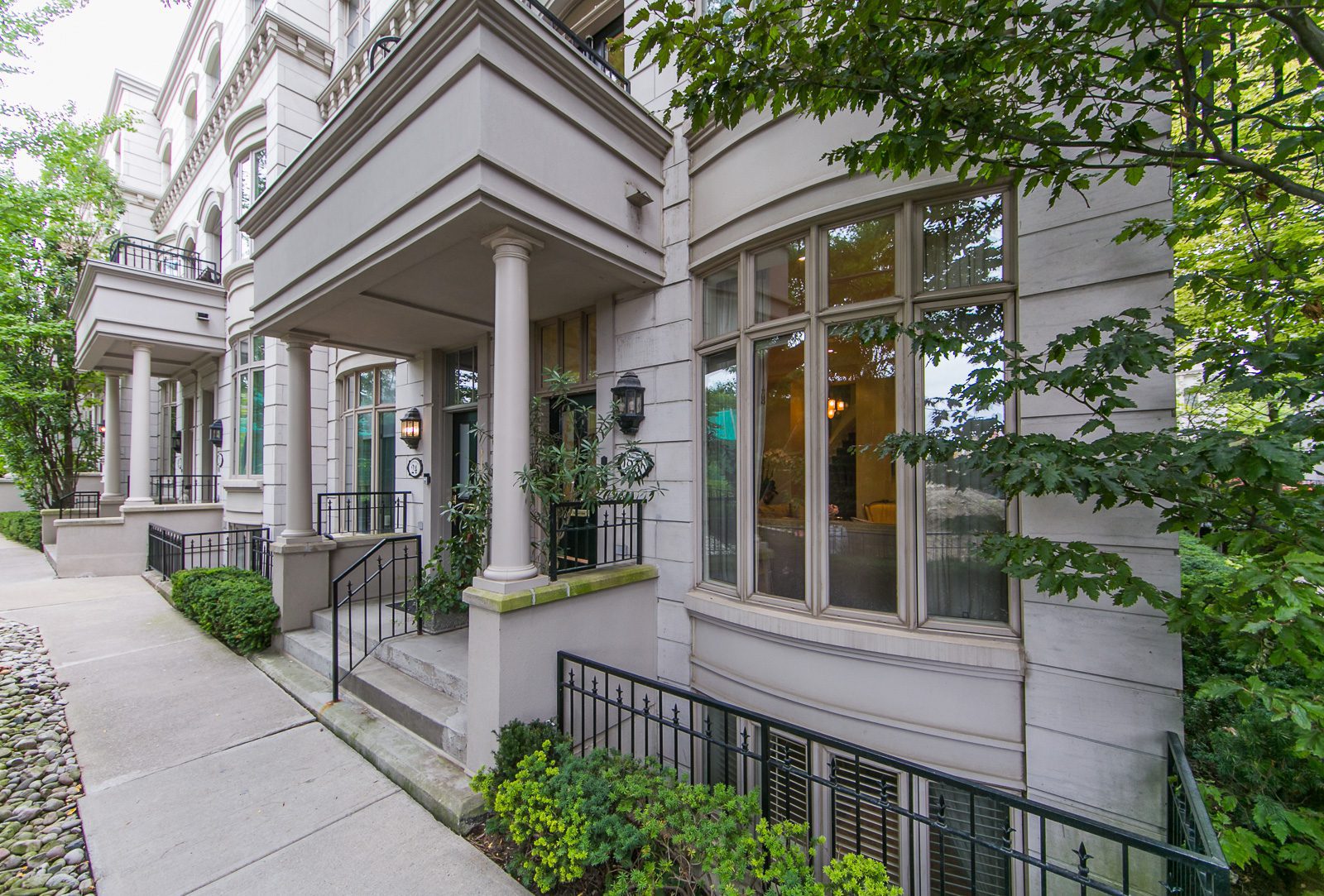
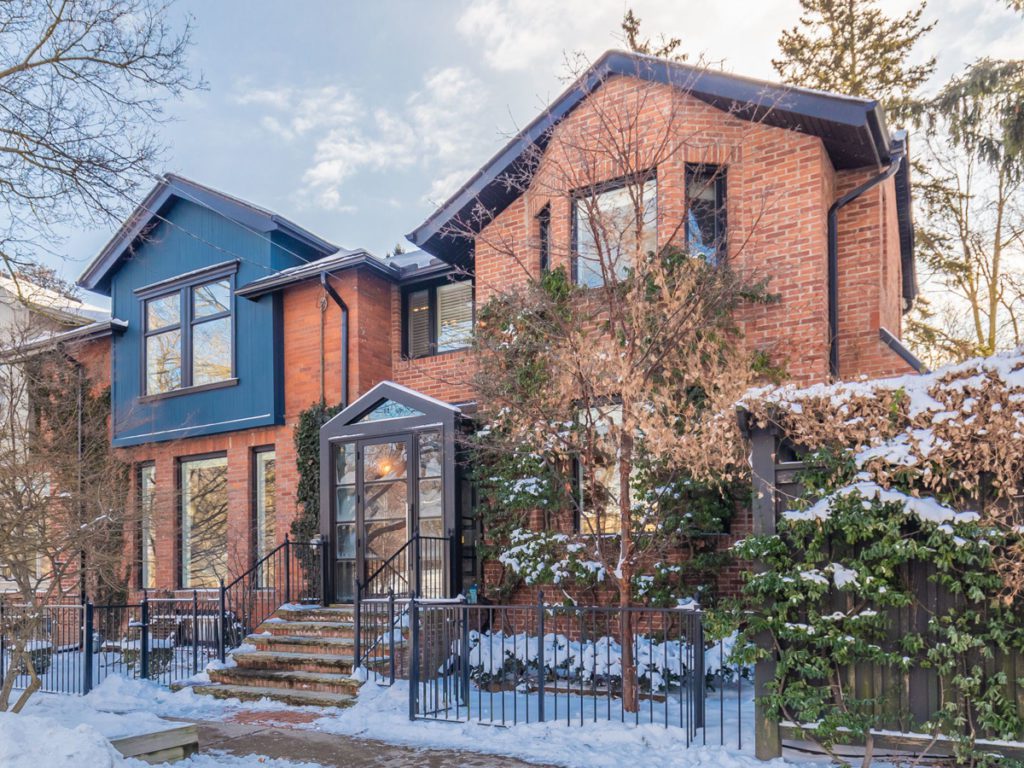
260 Russell Hill Rd., No. 25, Toronto

  • Asking price: $2,588,000
  • Selling price: $2.5-million
  • Previous selling price: $1.5-million (2007)
  • Taxes: $10,018 (2018)
  • Days on the market: Seven
  • Listing and co-op agents: Richard Silver and Jim Burtnick, Sotheby’s International Realty Canada

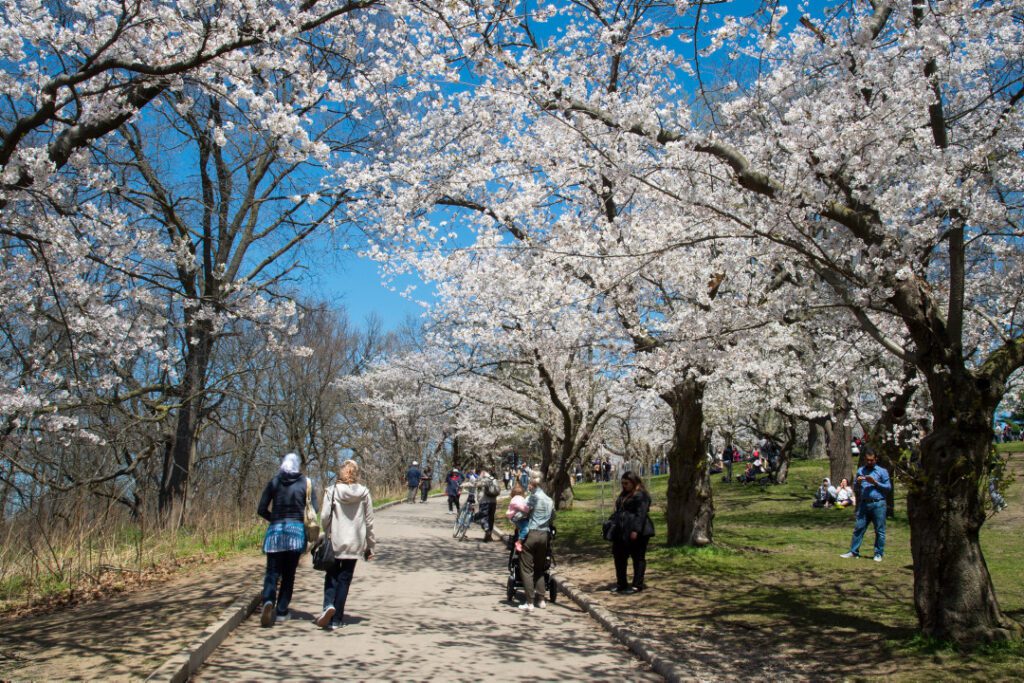
This three-bedroom end unit in an upscale townhouse complex abutting Sir Winston Churchill Park had about three dozen house hunters trod through in September.

“It’s a condominium townhouse in an area where there are not a lot of them, so it’s a great house for downsizers … who wanted to get into something around 2,800 to 3,000 square feet with parking and a little bit of a backyard,” agent Richard Silver said.“ So there were a couple of offers.”


More about 260 Russell Hill Road 25

WHAT THEY GOT

The nearly 20-year-old structure offers several luxuries, from an elevator and curved staircase connecting all four levels to direct access to two-car parking from the basement.

Large social gatherings can be held inside or out. There is a traditional dining room and formal entertaining areas with fireplaces on the main and second floors, as well as a private terrace off the eat-in kitchen.

Utilities are not included in monthly maintenance fees of $1,355.


More about 260 Russell Hill Road 25

THE AGENT’S TAKE

“It’s just off St. Clair and it’s right next to … a great park,” Mr. Silver said.

“A lot of townhouses only have light at the front or back, but this one – because it was an end unit – has light on three sides.

“One of the other advantages to that house is it has an interior elevator, so as people age, if they wanted to stay in the house, they could,” Mr. Silver said.


More about 260 Russell Hill Road 25

Originally posted in The Globe and Mail, December 17, 2018.

What making MLS data publicly available means for realtors and consumers

11.29.18 | Toronto & Neighbourhoods

When the Supreme Court of Canada refused to hear a recent case involving the Toronto Real Estate Board (TREB) concerning whether to make sales information from its Multiple Listing Service (MLS) publicly available, it appeared that the matter had been settled once and for all. Or had it?

Many real estate professionals continue to express concerns about a 2016 ruling by Canada’s Competition Tribunal that ordered TREB to allow online access to sales data found on MLS that had previously only been accessible to Board members. The Competition Bureau’s ruling makes the negotiated price available before closing, along with the seller’s name and commission paid to the selling agent. That ruling sparked a series of legal challenges that wound their way up to the country`s highest court before it declined to hear the matter.

“The decision by the Supreme Court effectively upheld the original ruling by the Competition Tribunal, meaning that the real estate information on MLS is now being made available online through a realtor’s virtual office website,” says Richard Silver, a Global Real Estate Advisor at Sotheby’s International Realty in Toronto. “Access is password protected to the client and provided by the agent.”

Sellers are concerned about their privacy

For many in the industry, this development represents a further loss of control at a time when real estate agents in Canada are under assault from websites that enable people to list their home for sale. For others, the situation could compromise the privacy of sellers in Canada’s biggest city. While people might like seeing information about their neighbour’s home online, they are generally protective of their own privacy. There is now a move afoot by many privacy concerned sellers to move to exclusive listings rather than MLS.

For years, the MLS served as a valuable repository of information on homes in the Greater Toronto Area. It was accessible to real estate agents who were members of TREB. The MLS has information on homes for sale, as well as historical information on important items such as previous sale prices. Real estate agents used this information to determine the fair market value of a house or property, and to advise their clients appropriately when setting a sales price or making a purchase offer. Richard says:

The information contained in MLS had always been accessible through a TREB member. But now, with TREB’s legal appeals exhausted, house and property information are likely to end up on any number of websites and online databases.

People looking to buy a home or land are now free to do their own research, meaning they can decide for themselves how much to pay for a house, condo or acreage. The question that continues to be debated within the real estate industry is whether this situation represents a victory for democracy and the open and transparent sharing of information, or a threat to peoples’ privacy.

Sold data becomes publicly available to everyone

Sold data is publicly available after closing to everyone through the Municipal Property Assessment Corporation (MPAC) and Geowearhouse. The concern is about displaying negotiated prices online prior to closing. TREB does not get notified of closed prices, and sometimes prices change at time of closing.

Ultimately, how this shakes out and its impacts depend on who you are in the debate. Going forward, realtors will have to adapt and be creative to survive in this new world order. Real estate agents continue to offer valuable services ranging from logistics and home staging to negotiating tactics and contract development. But now, agents may also see one of their roles as being guardians of their clients’ privacy. Realtors must be more of an interpreter of the myriad of data that is out there and tie it to neighbourhood knowledge.

It’s less about the search these days and more about the interpretation of the available data

Many realtors have already become less about searching for properties and focus more on interpreting real estate data for their clients. That focus enables agents to provide value added services that are desired by people buying or selling a home – many of whom may choose a private listing to safeguard their privacy.

“In the end, all parties involved in real estate transactions in Greater Toronto will have to change their behaviour and how they navigate what remains the largest and most significant purchase of most people’s lives,” says Mr. Silver.

Realtors can still play a role, but it may prove to be more of an advisory one than directing a sale or purchase from start-to-finish as in the past. After all, the search has been minimized in importance in recent years as data has become more readily available to consumers.

Another interesting aspect in all of this is the role that technology is playing in the evolution of Canada’s real estate industry. Realtor.ca and U.S-based Zillow are moving quickly to make real estate information in Greater Toronto available – and seeing huge spikes in their web traffic as a result. The future, at this point, seems uncharted and exciting.

What is clear is that there is no escaping the future, or present for that matter. Now that a precedent has been set with TREB – Canada’s largest real estate board – most industry analysts expect that it is only a matter of time before other real estate boards are also challenged and forced to make sales and other information publicly available. As always, it is best to be ahead of the curve than behind it in these matters.

JB00KV

People of Toronto: Krystle Ng-A-Mann

11.14.18 | People of Toronto

Krystle Ng-A-Mann is a Toronto-based fashion, lifestyle, and food blogger. She writes for her website, www.dineandfash.com, and is also well known for her Instagram, where she has over 27,000 followers! Before her journey into blogging, Ng-A-Mann spent close to a decade as a corporate lawyer at some of Toronto’s best firms. She now works full-time as a blogger.

Can you tell our readers a bit about yourself and how you went from law to blogging?

I’ve been blogging full time since June of last year. Prior to blogging, I practiced law for nine years. I first got into blogging through Instagram. Whenever I went out, I would take pictures of my food for my Instagram account, and I officially started “insta-blogging” around November or December of 2015. Originally, my Instagram was a personal, private account, and I wanted to transition into a public account, but was a bit nervous to. Once I figured out a better name to change my account to, I decided to make it public and post more frequently on it. I began posting consistently, and the account began to get some traction. A few months later, in February 2016, I launched my actual blog—Dineandfash.com. By about November/December 2016, I began to generate income from my blog and Instagram account.

Once I really got into blogging, I felt like I was working two full-time jobs. I put all my spare time into my blog, whether it was shooting and editing photos, writing blog posts, or answering emails. It all got a little hectic, and I burnt myself out once or twice. I was also doing this while planning my wedding!

I always thought that it would be nice to leave law to blog full time but told myself to see where it might be able to go first. By May of 2017, I realized I was working way too much and had a wedding coming up—I needed to be present. At this point, I had had about three months’ worth of steady income from blogging and saw it’s possible to earn a full-time living from blogging, if it continued on that way. So I decided to make the jump and leave law.

I didn’t plan my exit or have a financial plan. I took a leap of faith and now I hope I never have to go back to law. I’ve been running my blog full time for a year and a bit, and it has really been busy. It’s getting to a point where I’m looking to expand and take on additional writers or an assistant to keep up with everything.


Photo by Krystle Ng-A-Mann

What are some of your favoruite places in Toronto?

This is actually a tough question to ask a Toronto food blogger! In no particular order: KOST Toronto, Lavelle & Hotel X Toronto for great rooftops; Buca for Italian; Kiin, Pai & Sukhothai restaurants for the best Thai in the city; Café Cancan, Oretta, SoSo Food Club, Chubby’s Jamaican Kitchen for cutest/prettiest restaurants interiors; Grand Electric, La Carnita & Playa Cabana restaurants for good Mexican food; Electric Island for awesome music festival; Diner en Blanc is one of my favourite yearly events; Sofia Yorkville for a pretty patio and good food; Dineen Outpost for cutest coffee shop; Her Majesty’s Pleasure for a beautiful place to get your nails done and sip champagne; and Bacchanal for good French food and a pretty interior.

Where did the name Dine & Fash come from?

The name Dine & Fash is a play on dine and dash. I wanted something that was witty and had to do with eating. I thought about a play on Latin terms in law, or possibly combining “lawyer” and “foodie” somehow. But then I decided on Dine and Fash: dine for food and fash for fashion, which is another of my interests. When I thought of the name, I was on the subway on my way to work. As soon as I got off the subway, I checked to see if it was available and jumped on it!

Among the photos on your Instagram and blog, which one had the craziest story behind it?

Earlier this year, I was working with Presidents Choice. I’d done a few campaigns with them and they’re really great to work with, so I wanted to go above and beyond. This campaign focused on al fresco dining, and I went all out. I orchestrated a whole Bohemian picnic in the park in less than a week, including food, décor and little details to make it special. It involved so many aspects that I had to juggle on my own (something a team of people would normally put together for a print advertising campaign).

I had to get additional food and materials, plan the location, line up a friend and a photographer. I personally picked up and arranged table cloths, lavender, plates, napkins, and flowers. All the food was then prepared by me the night before, and on the day of, I packed it all into suitcases and headed to the park.

The way it came together, I was really proud of it. As mentioned, normally a stylized shoot like this would need a whole team. You’d have food stylist setting up the food, makeup teams, photography teams etc… But when you’re a blogger, you have to wear all these hats, yourself.


Photo by Krystle Ng-A-Mann

How would your blog change if money no longer mattered?

If money didn’t matter, I don’t think it would change the direction of my blog. I’m really happy with where I’m at. Three years ago, I would have never imagined that I could make a living off of this. The blog is about my life and what I do, and that’s why it’s such a privilege for me to do this.

In your career as a blogger, where you need to document almost every moment of your life, is there such a thing as work-life balance?

Believe it or not, I work more now than when I worked in law. It sounds wild, but it’s true. In certain situations, most people would put away all their work to enjoy their personal time. However, I still feel the need to work because of the nature of what I do. I do my best to not impede on enjoying my personal life too much. Although I work around the clock, because I enjoy doing it, it doesn’t feel like work.

How did your parents react when you told them that you were leaving law to pursue blogging full time?

My parents kind of knew that my jump to full-time blogging was coming. I had been thinking about it for a while, and when the blog was gaining a lot of traction, it was a light at the end of the tunnel. I have a good relationship with my parents, and I kept them informed about how I was feeling. My parents just wanted to make sure that I wouldn’t run into any financial issues if I were to leave my job.

Initially, they were worried, especially since blogging isn’t something they’re used to. My parents are used to the traditional approach of getting a good education and then a good (‘professional’) job. But in this day and age, there are so many ways to make a good living, while also feeling fulfilled in your career. I think there’s been a real shift, whereas for our parent’s generation, you had to be in a profession and make a good amount of money to be happy.

When they saw me working with different brands like Tim Hortons, which my dad loves, that was their idea of ‘making it’. And when they saw I was able to pay all my bills and live comfortably in this career, they came around. They could also tell I’m really passionate about it; and I think ultimately, they just want all their kids to be happy.


Photo by Krystle Ng-A-Mann

Did you find any challenges going from legal writing to blog writing?

Yes and no.

Out of all the bloggers I know, I probably write in the most formal way—I can never really divorce that part of myself because of all my years in law. I’m so used to writing that way (i.e. a bit more formally). However, when you have a blog or Instagram account, you should also write in a genuine way, in your own unique voice and also in a way that is relatable to your audience. I’m still learning to do this and I think part of the blogging journey is finding your unique voice.

I am thankful for my professional background, though. I’ve been told by several clients and brands that they are really impressed by my professionalism and they enjoy dealing with me.

What skills did you learn as a lawyer that helped you in your career as a blogger?

One thing that law taught me was to treat everything with professionalism and to prioritize. I treat my days like a workday. I’ll wake up at a certain time—at 6:00am or 6:30am—and go to the gym. I’m in front of my computer by 8:30am or 9:00am answering emails and writing blogs.

Contract negotiation and contract reading are two important skills I learned as a lawyer, as well. Probably 90%-99% of bloggers don’t understand all the contract terms or fully read their contracts. I don’t say this to make myself seem super intelligent, but it’s just that most people don’t encounter contracts in their daily lives in the same way I did when practicing corporate law.

There have been many situations where I have had extensive negotiations, whether that relates to exclusivity, or other important contract terms. I’m really happy to have my legal background, which has assisted me greatly in terms of formalizing agreement with brands.

AZ00EL

Sellers Beware – Rental Contracts An Expensive Hassle When Selling A House

11.2.18 | Toronto & Neighbourhoods

Rent-to-own contracts for major household equipment such as hot water tanks and HVAC systems (furnaces and air conditioners) may seem like a good idea initially. Monthly payments to rent can be affordable and lower than the cost of buying big ticket appliances outright. But beware that rental contracts often make it difficult to sell a house to prospective buyers.

This is because people looking to a buy a house don’t want to take on rental contracts signed by the previous homeowner, and there is an expectation that the sale price of a house includes everything in it – from the fridge and stove to the furnace and hot water tank. Trying to convince potential buyers to take over a rental contract on a furnace or other expensive appliance can prove to be a deal breaker. And paying to get out of a rental contract, many of which run for five years or longer, can be costly.

Doing the math

The most common type of equipment rental in a home is a hot water tank. In many instances, hot water tank rental contracts come with newly built houses. Builders rent the hot water tank during construction and then pass the rental contract onto the homebuyer. In rural areas, some gas companies will not provide propane to a residential house unless the homeowners’ rent a hot water tank from them. But be advised that the cost to rent a hot water tank can be expensive over the long-term. Monthly rental costs are typically $30 to $55. And the length of contracts range from 60 months (five years) to what’s known as the “useful life” of an appliance (between 14 and 18 years).

Do the math and the rental fees add up to a substantial amount. Paying $40 a month to rent a hot water tank, for example, will end up costing you $2,400.00 after five years and a whopping $6,720.00 after 14 years. Consider that to purchase a brand new hot water tank at Home Depot costs between $600.00 and $1,000.00, and it becomes painfully obvious that renting a hot water tank is expensive over the long-term. At a minimum, you’ll likely end up paying more than double the cost of buying a new hot water tank.

Other major household equipment such as furnaces and air conditioners can also be expensive to rent. According to the website FurnacePrices.ca, renting a furnace in Canada typically costs between $50 and $90 per month. And the rental contracts usually run for seven, 10 or 15-year terms. Rent a furnace for $75 a month over 10-years, and you’ll end up paying a total of $9,000.00. That’s nearly double the average price of $4,800.00 that it costs to buy a new, high-efficiency furnace. While monthly air conditioner rentals tend to be lower ($25 per month on average), they too can add up over many years.

Even if you don’t do the math yourself, you can bet that cost-conscious house hunters will be doing the calculations on what it will cost to purchase your house. And extra, often unexpected, bills such as equipment rental fees can be a turnoff. House purchase contracts can stipulate that you, the current owner, must get out of any and all rental agreements prior to the house sale being finalized. This too can be expensive.

Breaking a rental contract

Most rental contracts are ironclad and designed to ensure that the rental company gets their money one way or another. This means that, should you want to get out of a rental contract before the term ends, you will have to pay the balance owing in full. In the case of extremely long contracts (10 years or more); you might have the option of breaking the contract after five or seven years. Be sure to read the fine print. At the very least, you’ll likely have to pay the cost of purchasing the equipment outright.

You should also be aware of tricks that rental companies play with homeowners when it comes to breaking a contract. For example, while your furnace may be three or four years old when you decide to get out of a rental contract, the company renting you the equipment may charge the cost of purchasing a brand new furnace. Rental companies may also fail to deduct the cumulative total of the monthly payments you’ve made on a furnace, hot water tank or air conditioner and instead charge a lump sum that’s over and above the monthly amount you’ve paid to rent the equipment.

Many agreements also require homeowners to use the rental company for annual maintenance of a furnace, hot water tank or air conditioner. Miss a scheduled maintenance appointment, and the rental company could use it as an excuse to not allow you out of a contract, or to charge you additional fees should you break the deal.

Pay close attention, as some of these tricks can violate a rent-to-own agreement. Some Canadian provinces, such as Ontario, have passed legislation to prevent rental companies from engaging in deceptive practices that cost homeowners big bucks in fees and penalties. Under Ontario’s Consumer Protection Act, 2002, unsolicited door-to-door marketing and contracting for water heaters and HVAC equipment is banned. And, as of March 1 this year (2018), suppliers in Ontario are required by law to provide a cover page with contracts for major household equipment that spells out the rental agreement details and penalties involved with breaking a contract.

When in doubt, do your homework and consult a qualified realtor or lawyer concerning a rental contract and the costs involved in getting out of one.

What you can do to protect yourself

The best way to avoid expensive rental contracts for major equipment such as furnaces, hot water tanks and air conditioners is to not agree to them in the first place. Whether you’re purchasing an old or new house, be sure to check and see if it comes with rental agreements. Negotiate to have rental contracts removed as a condition of you buying the house. Even with a new house, talk to the builder and make sure that all the equipment comes fully installed and is included with the purchase price. Don’t let the builder stick you with a rental contract that will become a financial albatross in the long run.

A realtor can help. Licensed realtors are knowledgeable about the building industry as well as the housing market. They understand how equipment rentals and rent-to-own contracts work, and the ways in which they disadvantage homeowners. They also know the tricks that can be played by rental companies and how to avoid losing hundreds or thousands of dollars in unnecessary penalty fees. Remember that a realtor works for you and safeguards your interests when it comes to selling a house. They’re on your side, not the rental companies’ side.

JO00KV

Top 3 Riverdale Coffee Shops

10.29.18 | Toronto & Neighbourhoods

Articles abound for tourists and residents alike about how to experience Toronto like a local. What many of these miss is that each neighbourhood has it’s own quirks and you really need to venture far off the busy streets to find the hidden gems. Riverdale, and its coffee scene, is no different.

There are undoubtedly many cafes to visit along well-known avenues such as Danforth and Queen East, and many of these spots have also been written up in all sorts of neighbourhood guides for years. But if you’re actually looking for a good place to work, relax, and sip some splendid coffee from independent businesses, you’ll have to look further than merely the Insta-famous hotspots. Riverdale itself is not a coffee mecca, nor has it ever pretended to be. If Riverdale is anything, it’s real. Locals aren’t interested in the newest latte fad or any sort of BlogTO hipster trend that graces any number of visitor guides or fleeting social media explosions. What we want is solid coffee, good, friendly people, and a chilled place to read a book or work on an essay. Of course, it never hurts to have an Instagram-ready aesthetic either!

Chances are that if you’re familiar with the east end, you will have heard of our favourites already. If not, get ready to be let in on a local secret. Picking from the offerings in Riverdale is not exactly an easy thing to do, but the fact that we aren’t over-saturated with identical types of cafes is actually what gives us an edge. While there are some similarities to west end, downtown and uptown cousins, Riverdale’s cafes have something unique that just oozes both the comfortable, laid-back attitude of local residents and the constant aim to give people the best experiences (and coffee!) possible, even east of the Don Valley.

Scattered throughout the neighbourhood are Rooster Coffee House on Broadview, Hailed Coffee on Gerrard, and Riverdale Perk Cafe on Logan. Needless to say, there are even more small shops around but these three really seem to encapsulate exactly what makes Riverdale so unique and so beloved.


Rooster Coffee House

Address: 479 Broadview Ave
Hours: Mon-Sat 7am-7pm, Sun 7am-8pm
Website | Facebook | Instagram

This is possibly the more recognizable name on the list, partly due to it’s more central sister shops on King East and Jarvis. It’s also the only coffee shop with an overlooking view of Riverdale Park, and the downtown core on a clear day. Opened in 2009, the flagship location still boasts a bustling crowd of regulars and visitors alike, and you’ll be lucky to catch a free table in the gorgeous summer patio season because there is no other shop on Broadview Avenue with a view like this. In fact, there are no other cafes on this stretch of Broadview at all which makes Rooster not only a hot commodity for java addicts but a busy meeting place for locals of all kinds: parents with kids, young 20-somethings, grandmothers, business people, and everyone else in between. It’s no surprise that locals flock to Rooster in great numbers. Ample seating inside and out—including a large table for working groups and huge armchairs for those who are staying a while—accommodate everyone easily. And there are plenty of tables to prop up a laptop or newspaper, all in the vintage-meets-class vibe.

With an expansive coffee bar and spread of all sorts of delectable baked goods, everyone at Rooster looks like they genuinely enjoy what they do. The vibe is immediately welcoming and the whole space is energized but without that overwhelming buzz of fakeness that can come with some coffee shop experiences. The staff know their beans, and can make anything you throw at them. So, it’s not just the great location that has led Rooster to success; it’s also the love for the roasting and brewing craft, and the owners’ sincere love for the neighbourhood and its people.

And why wouldn’t they have love for Riverdale? As owner Shawn Andrews says, “Riverdale is our home.” Not only does she and co-owner Dave live just next door, most of the staff is within walking distance as well and it shows.

We all need a soft place to land once in a while and this neighbourhood has embraced that feeling which we have been able to bring forward to our other shops too.

Keeping it close to home, all the fresh, daily-made baked goods and foods are from Toronto chefs and bakers, like partner Village Juicery who provides Rooster with “organic, cold pressed juices and elixirs along with organic plant-based salad boxes to balance out the brownie-stuffed cookie binges!” Whether you’re after something healthy or something to satiate that sweet tooth, Rooster has anything you could want to go accompany a coffee, tea, hot chocolate, or juice.

Most of all however, the focus is the coffee. In partnership with Toronto-based Pilot Coffee Roasters, Andrews is extremely proud of Rooster’s specialty grade beans and the direct trade model—and the alternatives to the usual caffeinated drinks.

We are very proud of the quality of our coffees. We have a unique partnership with Pilot Coffee Roasters which has us going on origin trips to meet the farmers that produce our incredible coffees that create our signature Rooster blends. When you are just coffee’d out and in need of a healthy boost we created our turmeric “latte” using all organic turmeric, ginger, Himalayan sea salt and cracked pepper which you can have with any of our 5 milk alternatives.

And speaking of signature blends, they’re available for take-home purchase as well.

When speaking with Andrews, it’s hard to imagine Rooster beginning anywhere else because everything she holds dear about the cafe is the same stuff that makes Riverdale itself so charming. The idea to treat people with “down-home human kindness” really comes through in the absolute care put into every drink. It’s not just one of many Toronto neighbourhood’s to Rooster’s owners, staff, and patrons.

What Riverdale means to us is a small town in a big city. Where only minutes from the electric energy of the down town core, you’ll find kids playing ball hockey on the streets—”CAR!”—and neighbours sharing a glass of wine across their porches. It’s really a tight and warm community.

Hailed Coffee

Address: 801 Gerrard St E
Hours: Mon-Fri 7:30am-2pm, Sat/Sun 8am-5pm
Website | Facebook | Instagram

The newest coffee shop on our list, Hailed Coffee on Gerrard Street East, may not be the first place you’d think to find a Western and Middle Eastern fusion cafe. But it’s here and it’s the perfect blend of diversity that Riverdale is known for. Just a few doors down from the corner of Logan and Gerrard, Hailed draws on the modernist aesthetic that asks a visitor to focus first and foremost on the coffee. That isn’t to say that it’s a blank slate; the bright and white walls give off a feeling of freshness and are complimented by a local photographer’s exhibit—which currently is Steven Evans eye-catching industrial offerings. This lightness is a necessity in contrast to the sometimes dreary storefronts of Hailed’s neighbouring businesses, effectively making Hailed a bright haven in an otherwise nondescript row of old East Chinatown shops.

And while many may not think of that intersection as a particularly buzz-worthy space to grab a cup of morning joe, it has a constant flow of happy patrons and plenty of seating to accommodate someone looking to do some work or a parent bringing some kids around for a bite. It’s quickly become one of the best and most popular parts of the more westerly strip of Gerrard East with residents.

It’s specifically this dedication to its Arabic roots that puts Hailed one step above many other places in the area. While you can pick up a regular latte or flat white, the flavourful twist of cardamom is what becomes the “must try” of any visit. It’s so important to the cafe, in fact, that many may be surprised to learn that “hailed” translates to “cardamom”!

General Manager Marjorie McCallum is most proud of this aspect of their shop and vision.

That is our specialty, everything cardamom! An ancient pairing in Arabia in the version of Arabic coffee, infusing espresso beverages with our signature Hailed shot is our signature touch. Try “Hailing” your favourite beverage to get a feel for how this ancient pairing translates into a perfectly prepared cup.

It’s one of only a few cafes in Toronto that provides authentic Arabic coffee, as well as a huge selection of pastries and biscuits, many of which employ the ubiquitous flavours of dates, also a staple of the Middle East and perfectly baked to pair with any number of signature drinks at Hailed. These are not imported treats but carefully crafted locally and with attention to the perfect balance and blend of sweet, spice, and savoury. If dates without all the gluten are more your thing, there is a nice range of unique date varieties to sample.

This corner of Riverdale is, according to McCallum (and many others), “a truly unique spot in the city.” Her suggestion to getting the most out of a visit to the east end, and Hailed specifically is to “grab a couple friends, get a dallah (pot) of Arabic coffee, enjoy it with complimentary dates and sit back and enjoy the beautiful Steven Evans art exhibit on display until December!” Hailed is more than a cafe; it’s a rare experience in Toronto overall.

Like everything else in the Riverdale neighbourhood, community is the most important aspect of life here. After hunting for a long time for the perfect locale, Hailed chose the area for many reasons that locals can attest to.

Riverdale is a rich, vibrant community in Toronto that has historical depth and a warm communal feel. We know our customers and their kids. We love to make them their coffee while we catch up on latest news.

This sense of belonging can happen anywhere but it particularly pronounced in diverse, residential neighbourhoods such as this. Locals already know the secret, and the rest of Toronto has yet to fully catch up on how attractive it really is, but Hailed has got in on the ground floor.

That is what our dream cafe is: a warm, welcoming hub in the heart of a loving community and it makes what we do all worthwhile.

Riverdale Perk Cafe

Address: 633 Logan Avenue
Hours: Mon-Sat 7am-6pm, Sun 8am-6pm
Website | Facebook | Instagram

The oldest coffee shop on our list, and possibly one of the first genuine cafes in Riverdale proper, Riverdale Perk Cafe is tucked away on a tree-lined corner of Logan and Withrow, amongst old Toronto homes and just steps from the sprawling Withrow Park. Unless you know where to look, you may miss it altogether because it’s not the sort of place that is known to outsiders. While almost a secret to most of Toronto, it’s incredibly popular with locals, especially nearby residents. So much so that you’re lucky to find a seat at peak lunch times since unlike many coffee shops in the area, it serves up a full menu of soups, sandwiches, hot and cold plates.

Adorned with a cosy yet glamorous sort of ambience, there are sofas, armchairs, tables and chairs to choose from depending on your preference. Outside is an umbrella-lined patio perfect for taking in the occasional passerby or spend an hour dog-watching as the pups make their way to the large dog park just north of the cafe. Or bring your dog along as well! Riverdale loves dogs.

It’s a small shop comparatively, but fits with the overall vibe of being hidden in plain sight—if you know where to look, that is. Staffed in mornings with one highly-attentive barista, often owner and chef Danielle Quayle, it’s exactly what you’d expect to find in the neighbourhood: coffee with personality and a sweets selection, showcased like jewels to water any appetite. For the best selection of local baked goods to choose from, arrive early in the day or you’re likely to be beaten to the delicious punch by those in the know.

Riverdale Perk is truly an example of a “locals only” affair but not out of any sense of snobbery or exclusivity; it’s merely a fact of life when you’re not located on a busy street in Toronto, and it’s something that adds to the warm community feeling. It doesn’t matter if it’s your first or 30th time stepping through the door, you’re welcomed as if you’ve been there forever. There are no bustling, angry caffeine hounds on their impatient hunt but just a quaint, yet classy, sense of having a sit in a friend’s living room. You’ll hear conversations all around, friends sharing stories or the gentle clacking of a laptop as someone plugs away on an email.

It is the sort of place that tourists search for: an authentic experience of a local neighbourhood.*

But that’s sort of the feel of Riverdale overall. Each one of these cafes is expressly unique with experiences widely different from each other yet all are inherently Riverdale—which itself may actually be the definition of the neighbourhood. All sorts of people come together to relax, live, and enjoy life. Whether it’s stopping by for a cappuccino and the vista of Toronto at Rooster, taking a much-needed break to savour ancient flavour combinations at Hailed, or grabbing a bite to eat and a brew at hole-in-the-wall Riverdale Perk, this neighbourhood is all about connection with others, no matter who you are or where you’re from. One of Riverdale’s greatest strengths has always been it’s acceptance of vastly different people and cultures, all coexisting in respect and appreciation of one another.

We know where to go, and we know how to support our own. While a visitor may be tempted to play it safe by visiting always-popular Riverside or Leslieville for a latte, or would rather stick close to the subway line on Danforth, you’d really be missing out on the true experience of one of Toronto’s best and most welcoming neighbourhoods. Give one of these independent cafes off the beaten path a try instead. Chances are good that you’ll be won over by the east side.


* Vivian has approached Danielle from Riverdale Perk with questions about the coffee shop, but hasn’t received any response. We decided to publish the article without quotes after all considering Riverdale Perk is indeed a neighbourhood staple, but we were sorry not to hear back from the coffee shop.

Meet the photographer: VIVIAN LYNCH

Vivian is a photographer, surfer, travel junkie, and fungi enthusiast living in Toronto and capturing life in all its many forms. After living abroad and graduating in Ecology & Evolutionary Biology from the University of Toronto, she decided to combine her love of the natural world and appreciation of culture with her life-long passion for photography. On her days off you can find Vivian hiking with her dogs, and during the night, she’s shooting live music in dark clubs. Find out more at vivianlynch.com

VL00KV

Pierre Quesnel and Coraline Allard from Q and A Design

10.10.18 | People of Toronto

For over 40 years the Cabbagetown community has celebrated local artists through one of the longest running festivals of its kind in Ontario, The Cabbagetown Arts and Craft Show. Showcasing the work and inspiration of participants for their innovation is a fantastic way to pay tribute to the vast talent within our Toronto art community. The winners of this year’s Richard Silver Award are Pierre Quesnel and Coraline Allard of Q and A Design. The duo works primarily with wood and metal to make their projects both big and small go from vision, to design, to reality.

Most people don’t think of architecture as a stepping stone into the world of art and design. Can you tell me about the path that led you from architecture towards what you do today?

We worked for two years in architectural studios in France after completing our architectural degrees in Normandy. We decided it was time for us to travel and improve our English, so we picked Toronto, and that is where our path moved towards making. We met John, who needed plans at the time for a project making an aluminum riveted traveling trailer. Soon enough, the plans were drafted, and then John needed help building the trailer. Our first attempt was a mess, but John asked us to rethink the process, and we learned to design things to be made. We quickly moved from the computer to the shop, learning how to metalsmith, and constructed the first two prototypes of the Bowlus Road Chief Trailer.

We instantly loved the tight and bidirectional relationship between designing and building. It was great to design knowing you can make and create from scratch what you just designed. Sometimes it needed to evolve, which involved back and forth steps between drawing pads and the workbench. When this project came to an end for us, we wanted to keep on designing and crafting amazing projects, so we started our own design studio.

How do you decide which art shows to participate in and showcase your work? Why did you select the Cabbagetown Arts and Crafts Show?

We participate in few shows compared to other artisans, five to six per year, and all of them are in Ontario. We favour local shows to optimize connections we make during these events. We heard about the Cabbagetown Arts and Crafts Show from Nahid (a fellow artist) while participating in the One of a Kind Show, and she thought it would be a good fit for us. We were accepted to participate and love the vibes of that show.

Tell me about some of the work you’ve showcased at Nuit Blanche and how it compares to other works displayed at events like the One of a Kind Show?

Our participations at Nuit Blanche have been great experiences. We showcased in the Spadina Museum’s garden, in collaboration with LUBO, building small architectures around fire, and creating space for people to meet, gather, and share stories during that night.

It is much different from exhibiting at the One of a Kind Show, where we offer crafted Christmas gifts such as aluminum lunch boxes, or bird feeders. This is the beauty of participating in such different events, we get to show the full spectrum of our work, from crafted wood and metal gifts to architectural sculptured spaces.

Which artists, designers, architects, and people inspire your work most? How?

We developed a great group of artist friends here in Toronto, ranging from gigantic art projections to wood carving masks, which boost our imaginations, and create a great dynamic of inspiration. We also like to look at old scientists’ research (like Leonardo Da Vinci) and adapt them to create a new project.

We have always been interested in small architecture, and especially architecture made with natural materials, creating curves. We came across Ibuku‘s work in Bali, and dream of going there one day. Also, a BIG source of inspiration is Ibuku’s project explanation process – its simplicity with graphic diagrams – they design it for everyone to understand.

What are your favourite places in Toronto to look for ideas and inspiration?

Our friends LUBO and Scott Eunson share a studio on Dupont. They have been there for years and gather bits and pieces from past projects. The energy there is so inspiring. Then we also like to check out what’s new in the retail shops of local designers. Queen Street West is a good neighbourhood for that. When we have gathered ideas, we love to get out of town and disconnect for a few days at a friend’s cabin in the woods. Cooking over a fire and swimming in the river helps us reconnect with nature, our inner self, and develop a new project.

What’s the most challenging thing about working on projects in such varying size and scope? What’s the best thing about tackling projects that are so unique from each other?

Working on such different projects implies different ways of working, different set ups in the studio. When we prepare for craft shows it must be organized and rational, everything is pre-established like a mini-manufacture, and when we work on commission it can go all over the place. Usually it starts with a big space for the computer and drawing space, but it never lasts, materials and tools end up taking up the entire room.

Good thing is: It is never boring! We like this diversity. We learn things from each project and adapt them for the next one.

Your work is primarily in both metal and wood, how do you find a balance both aesthetically and functionally in using these two differing materials?

We’ve always loved wood. It’s warm, soft and so versatile, even flexible! But is has limits.
Metal is quite new for us; we started working with aluminum when we were working on the trailer. We mostly worked with sheets for the shell and interior furniture, and tubing to build the framing. One of the main reasons for using aluminum is that it’s relative lightweight compared to its strength.

Next, we learned how to work with copper sheeting by helping a friend with roofing on a complex porch that had curves all over. After we mastered the technique, we created a commissioned sculptured mailbox for his client. We directly adopted it, as it worked well with cedar. We like to use materials for their best application, and therefore wood and metal complement one another naturally in a way that enhance or improves them both.

What are the biggest lessons you’ve learned since launching Q&A Designs in 2014?

Being an artisan is a complex job, besides always being creative and bringing new products to the table, you must get out of the shop, market your creations, and sell them. We have been lucky to meet people that have helped us to move forward with this, and therefore have learned so much since we started Q&A Design. And it is a challenge that we are happy to take on because it also gives us freedom to create and evolve the way we want / feel.

What has been the biggest inspiration towards creating your work?

I think our European / French culture plays a big part in our inspiration. But what we care most for is to create projects that will last physically and in people’s minds, using authentic and quality materials.

Which projects are you most proud of? Why?

In January 2018 we set up a trade show booth for Aya kitchens in Orlando. We worked with them on this design, creating an eye-catching space with the smallest amount of material possible. We used offcuts from the door department of their manufacturer to build a nest between art and architecture, encapsulating the whole 20’x30′ space. It was a great success; visitors were attracted to it and the company really enjoyed it.

What upcoming projects are you most excited about?

We are working with a developer on a permanent Urban furniture / Art installation to celebrate a neighborhood in the process of revitalization where we associate curves and lines to create a welcoming gathering place. Stay tuned for more. 

What surprises people most about your work?

The fact that we craft objects, that we design, build, and setup a custom tent for our shows is something unique. We make wood and metal gifts, but we also build unique tent structures, and this surprises people. We also get noticed for our attention to detail and precision in everything we make.

What’s the best way for people to find out about your upcoming projects and see your work?

We post our most recent works on Instagram and Facebook. We also have a website that showcases all our finished projects, and an Etsy shop where we list all our crafted gifts. For those who’d rather see things in person, we will be at the One of a Kind Winter Show from November to December.

SM00KV