How to Run a Successful Real Estate Team

08.18.15 | Business

I’ve been in the real estate business for 36 years. During that time I’ve had partners on different occasions, but it was only recently that I decided to put together my own team.

Over the years the business has changed and gotten much more complex. I found that as my business grew, it was very hard to work alone. In the past there were certain things I liked to do and certain things I did not like to do, so I thought to myself ‘why not become more of a specialist and build a team of people who were better at doing the things that I was not as good at?’

Each member brings something organically unique

The process was an organic one. The members of the team fell into place over the years, each bringing with them their own unique backgrounds and specialties. I think a lot of teams make a mistake by trying to find carbon copies of the team leader. What they should be looking for is someone who is completely different, who has different talents, and can focus on different areas.

Personally, I see myself as more of a marketer, as someone who is very good at listing properties and at negotiating. But there are other areas that I need help with. These days, in a city that has a hundred-some-odd projects a year being built it’s very hard to be an authority on both housing and condominiums. I was beginning to find that with some of the older buildings I was very knowledgable, but some of the newer projects had me at a loss. I needed people who understood the demographics a little better and people who understood the product.

Sometimes you end up with clients coming to you looking for something that you may not be able to help them with or you may not be the best person for the job, but someone on your team is. One of the joys of real estate is meeting so many different types of people and dealing with a lot of different personalities, but sometimes you realize that you’re not necessarily a good fit. You’re the wrong age group, or you have a different agenda. Having a diverse team can be a great benefit in situations like these. As the team leader, you have to be very good at fitting people to one another. Make sure everybody is happy and if they’re not happy, do everything you can to fix it.

One of the main reasons that I built my team is the multicultural nature of Toronto. We have a lot of international visitors. About 30 per cent of our business is non-Canadian-born and as realtors we need to be aware of their needs and customs. So, on our team we have quite a variety of perspectives. Sherille is originally from England and has a Sri Lankan background, Tania is Portuguese and speaks the language fluently, Kimberley is First nations, Tracy is Mandarin Chinese and I speak French. One of the things we pride ourselves on is the international focus of our team and of Sotheby’s.

For example, recently I listed a property in the Don Mills and Yonge area. The sellers were New Zealanders, but I found that 90 per cent of the prospective buyers were Mandarin-speaking Chinese, so I depended on Tracy a lot to help us explain things.

If one of us has to be away, the other fills in; if one of us has questions about technology, the other can answer it; if one of us has questions about a buyer, the other one can answer. Since forming the team business has improved, but also our way of doing business has improved. We meet weekly and go over all our files. We weigh pluses and minuses of different projects, we discuss buyers and sellers, and we take suggestions and generally throw ideas around. It’s a format that works really well for us. We’ve become very comfortable sharing suggestions with our teammates, and I believe it works to the benefit of the sellers and buyers. Instead of having one person out there working for them, they’ve got seven people on their side.

But as I said, it’s ultimately about the people you have on your team, and you have to be very, very careful about who you choose. There needs to be a comfortable relationship with your teammates and again, make sure to not choose people like yourself. Choose people who are different. Of course, that can be a challenge at times because you are dealing with different personalities, but you have to bend a little bit for each other, to allow for change. Part of our business is negotiating, and that includes with your coworkers.

How we stay organized

We are a very project-oriented team and that’s how we run our meetings. Staying organized is important. We use Evernote, an organizer tool that we’ve organized in a way so that when we have a team meeting we all have access to the program and we’re able to see what listings we’re all working on. There’s not one of our listings that not one of teammates has gone through. That’s what works for us, but find what works best for you when putting your team together.

We have a great time and I can’t say how much we enjoy each other. Like anybody, we still have our issues, but we just enjoy working with each other so much. Building a good team around you and your business can be one of the best and most productive things you will ever do.


Exceptional Estates Abound in Beautiful Caledon

08.4.15 | Toronto & Neighbourhoods

Just north of Toronto and 30-45 minutes from Pearson International airport lie the rolling hills and stately mansions and estates of the Town of Caledon, Ontario. For many years those looking for a home away from the hustle and bustle of the big city have opted for property in Caledon. It is home to a large number of spacious, treed lots with streams and horse farms, as a well as friendly neighbours and plenty of fresh air.

Living in Caledon

Although now known as the Town of Caledon, the area was once divided into the townships of Albion, Caledon and Chinguacousy which were opened for settlement in 1820. The townships first began to develop around water-powered mill sites on the Credit and Humber rivers as well as at various cross roads. When the Toronto Grey & Bruce, Hamilton & Northwestern and Credit Valley railways arrived in the 1870s, more settlements were formed.

On January 1st, 1974 the townships of Albion, Caledon and the northern half of Chinguacousy amalgamated to form the Town of Caledon — the northern municipality of the present Region of Peel.

Sandy, who lived in Bolton, the most populated community in the town of Caledon, for over 15 years explains it is “a very basic commuter town with little urban planning, culture [and] restaurant choices. There is basic shopping and ongoing issues with trailer truck transport making its way through the middle of town.” If you’re used to some of the assets of a big city like public transportation and large malls, then living in Caledon may take some getting used to.

However, these negatives aside, there are a lot of wonderful things about living in Caledon. Sandy goes on to discuss how it is “a family oriented community and one cannot say enough about the friendships, and village that is formed here within which to raise a family. Bolton is a sports oriented community with over 3000 children registered in soccer alone, not to mention basketball, baseball, volleyball, hockey, etc.” Not only are there many activities for your kids to enjoy, but you too will be able to enjoy the natural beauty of the area.

At The Badlands

At The Badlands by  Ian Muttoo

“The larger environs of the Town of Caledon and its hamlets are breathtakingly beautiful and I couldn’t imagine a more beautiful place to live. […] Rolling hills, clean air, gorgeous vistas… literally you leave your work and commute stress behind with every kilometer you cover on the way home,”

says Sandy. Along with the beautiful views there is plenty of wildlife to enjoy: “coyote, red fox, blue heron, wild turkeys, rabbits, beaver, eagles, birds abound,” says Sandy. Many commute to and from downtown Toronto and for Sandy it’s “well worth the commute to work”.

Homes, Architecture and Real Estate

Sandy explains there is “beautiful estate subdivision living (1/2 to 10 acre lots), many with mature oak ridges moraine forests, ponds and streams.” So whether you’re looking for a cozy few bedrooms or a luxurious estate, there are plenty of options for you to consider in the Town of Caledon. Two great properties in Caledon highlight just some of the diversity of the housing that exists there:

Villa Florentine

The Gore Road, Caledon, ON

A formal, iconic, newly constructed custom-built estate that sits atop the sweeping hills of the Caledon countryside: 80 acres of land and your private lake below. This impressive 10,000 sq. ft. home features two luxurious coach houses, 6 garages and a fully outfitted equestrian facility. Exquisitely curated with the finest craftsmanship, both the main house and equestrian facility are built with concrete and steel-frame construction while design details like custom marble, crown mouldings and bamboo floors have been tuned to perfection.

Villa Fiorentine

The property has 4+1 bedrooms, 9 bathrooms, a formal dining room, a gourmet kitchen, a library, a wine cellar, 3 fireplaces, an oversized terrace, guest and servant quarters, a 6 car garage, an outdoor infinity pool and pool house, a gazebo, a helicopter pad, access to a private wooded forest and trails, and for the savvy investor; the opportunity to create, build and sell 12 additional estate lots. The asking price is $19,995,000.

Treetops

18696 The Gore Road

A less formal landmark property built as a spa retreat for the family that has everything. It consists of three buildings. The main is a 15,000 square foot West Coast Inspired Hilltop home with views over its rolling property and the City of Toronto. There is a second intimate staff or guest home that was originally attached to horse paddocks, now used as an artist’s studio. The last is a charming historic two-bedroom square cut log cabin at the entry to the estate and close to the swimming pool and pond.

Originally conceived and built by the originator of the board game “Trivial Pursuit”, Treetops has been owned by fitness guru Tosca Reno Kennedy and her family for over 10 years. It is the perfect home for an active large family with a professional gym, private screening room, great room/kitchen for a professional chef, and private pond. There is parking for a fleet of cars and it is priced at $5,250,000.

Who is your neighbour IN CALEDON?

“Ours is a town of friendly, warm and helpful neighbours,” explains Sandy. “It’s quite typical to see gatherings in garages, and backyards, etc. Our children also enjoy close friendships – most remain friends from Kindergarten onwards. The volunteerism is also notably strong – with a large number of stay home moms, there is a strong community of volunteers in the schools and vibrant home and school associations. Many long term friendships formed here,” says Sandy.

Honey, There is an Oil Tank in our Backyard

07.29.15 | Business

Many buyers looking for a home are infatuated with an old vintage house. Though thrilled with the idea of owning a 70- to 80-year-old house, many are unaware of the danger lying beneath the old rustic charm.

If you spot an oil tank in your backyard, get ready for an expensive ride. In olden days, houses had underground oil storage tanks (USTs) heated not with natural gas but with furnace oil. Richard Silver, salesperson and vice president of Sotheby’s International Realty Canada, cautions that many of these oil tanks lie unused and owners forget about them. With time these tanks start rusting or the welding tears apart which results in spill over of the leftover oil. This causes environmental contamination as the oil seeping into waterways adversely affects the soil and the property.

One of my clients recently bought a commercial property for residential use and found an oil tank in the backyard. Though we came to know about it before the purchase was made, the negotiations about acquiring the property had to be prolonged considerably, said Silver.

Silver holds, it is the responsibility of the owner to remove the buried oil tanks;

Sooner the better as USTs if not taken care of immediately can incur costs as high as $10,000 or even more. Even if the USTs are less than 10 years old it is in owners’ interest to remove them before the leaking starts. This will save them from possible major expenses due to violation of [the] Environmental Management Act, said Silver.

As per the law, owners of property with underground tanks are responsible for the costs of maintaining, upgrading, and removing them and for cleaning up contamination. It is also mandatory to use the services of the Technical Standards and Safety Authority (TSSA) as that is the only one authorized and qualified to perform the removal task of buried underground oil tanks.

If a TSSA certified technician holding a Petroleum Equipment Mechanic 2 (PM-2) license finds that the tank is too dangerous to be continued, the distributor will immediately stop the supply of oil. It is also the owner’s responsibility that the TSSA is notified once the underground tank has been removed. The property owner must have an environmental assessment report completed by a professional engineer, a professional geoscientist, a professional agrologist, or a chartered chemist. If a leak of fuel oil is confirmed, the Spills Action Centre of the Ministry of the Environment must be notified. The owner should also keep in mind that many insurance companies refuse to provide or extend insurance if the tank has reached or passed the prescribed age. Once the tank is removed it leaves a large hole and filling it also increases the expenses.

Ontario has a strict regulations code about the handling and storage of fuel oil. If an underground fuel tank has not been used for two or more years and the owner plans not to use it any further, it must be removed irrespective of its age. As per the Ontario Fuel Oil Code (1 October 2001) all existing single-wall steel underground tank systems have to be withdrawn from service and removed if they are 25 years or more old or if they are not properly maintained. Underground tanks over 5,000 litres must be tested annually for leaks. There also has to be a comprehensive inspection at least once every 10 years. In Ontario, effective May 1, 2002, fuel distributors will not supply fuel oil to an underground tank that is not registered with the TSSA.

Before calling the expert, a home buyer can make a few simple checks to know if the property has or had any USTs and if there were any possible leaks.

  • Ask for basic information such as the age of the tank, property and type of oil tank. This will give an idea of any risk about an oil leak.
  • Take a walk around the property and look for an unusual bald patch of grass in the area. At times, during the spill the hot oil poisons the soil and even if there is no heating oil or odour left, the grass will not grow in that area.
  • Also look for depression near the house or at the missing grass spots generally caused by oil tanks or by vent pipes protruding from the land.
  • In order to know if there has been a spill or incorrect removal of the USTs, one should know about the existing or previously installed oil tanks and vents, their size, the abandoned heating oil lines, marks where equipment was mounted and footprints of old heating equipment.

A prospective home buyer should make sure their realtor asks the seller’s counterpart for documentation about any USTs at the property. They should educate the potential buyers about the dangers of USTs and stress on proper inspection of the property. A person buying an old property should also be aware that their insurance company can deny home insurance if the tank is not registered.

Buying a home is everyone’s dream. But to avoid unwanted surprises and costs, proper homework and following proper protocol ensures your dream does not give you nightmares.

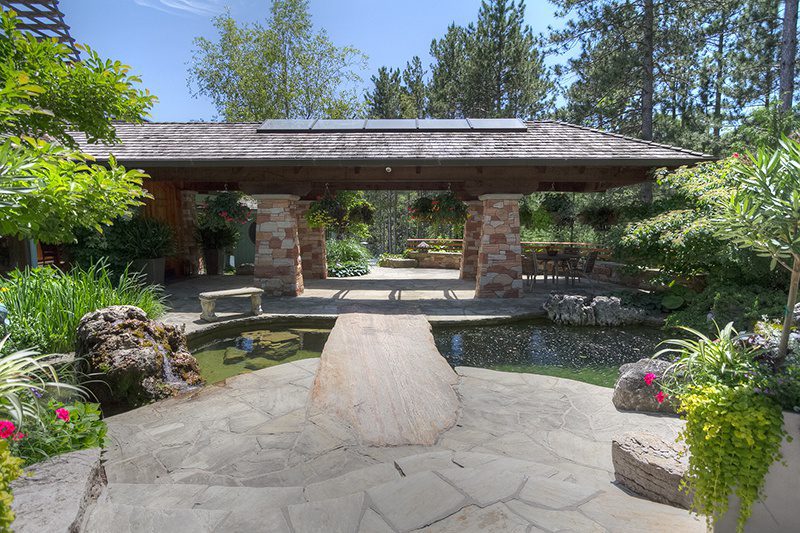
Title photo by: Field Outdoor Spaces

Toronto’s Top 5 Brunch Places

06.2.15 | Food & Dining Out

Somewhere between breakfast and lunch there’s a whole culinary world waiting to be explored. The mid-morning-early-afternoon meal combo, known as brunch, is traditionally a simple buffet style event—classic, but a little boring. Thanks to the foodie masses and their demanding and inquisitive palates, brunch has morphed into a wild flavour adventure. Here are some of the more unique brunch pit stops in Toronto.

STARVING ARTIST

Address: 584 Lansdowne Ave, 1078 St. Clair Ave West

Website: starvingartistbar.com

The waffle—a buttery, crispy, fluffy, dream dish topped with fruits, whipped cream and syrup. Realistically, it’s dessert for breakfast but who cares; waffles are just that good. What could be more fitting for brunch than a waffle house? Meet Starving Artist (two locations: Lansdowne Ave. and St. Clair Ave West), an all-day brunch venue with menu items served on waffles, set amidst a gallery of local artwork (new artwork showcased every six weeks). “Seriously, the menu consists of everything on, between, or inside waffles,” writes the restaurant. “Think BLT with a waffle bun, eggs-benny on waffles, and our most popular creation: waffle bacon!”

We can’t be sure if it’s the waffles or the unique art setting that draws in customers, “Supporting local artists is a main priority at Starving Artist,” it declares on its website. Whichever it is, Starving Artist has been lauded by local media, including Taste Toronto, Toronto Sun and Toronto Star, for its unique take on brunch.

The Toronto Brunch Cruise

Address: Queen’s Quay Terminal

Website: mariposacruises.com

Most people are accustomed to the treat that is evening cruise dining, but late night diners shouldn’t get all the fun. Burning a beautiful morning inside a restaurant is okay, but as soon as I heard about the Toronto Brunch Cruise it had to go on my bucket list. Mariposa Cruises, which is a recipient of the Consumer Choice Award, offers a “two-hour brunch cruise through Toronto’s scenic Harbourfront” on Saturdays and Sundays, according to Mariposa’s website. The buffet menu is courtesy of Executive Chef Damien Wlodarczyk.

Equipped with a fully licensed bar, the brunch menu consists of fresh baked breads and Danishes, homemade jam preserves, fresh summer fruits, quirky salads, the Chef’s famous French toast, hickory smoked bacon, organic pork sausages and traditional home fries. Ingredients are usually sourced locally. “We use Ontario produce whenever possible and in season. The pork products are grown and produced in Ontario as well,” says Chef Wlodarczyk. The price is $58.80 for adults, including tax and gratuities—not exactly cheap for brunch, but it’s also a cruise.

Gallery Grill

Address: 7 Hart House Circle, U of T Campus

Website: harthouse.ca/gallery-grill

Voted one of the most unforgettable restaurants in Toronto by Where.ca, the Gallery Grill is a brunch destination. It serves up a Sunday brunch menu that includes stars like buttermilk drop biscuits with an orange-herb butter, and classic pork and eggs with smoked peameal bacon, hashbrowns, roasted tomato, fried egg and maple mustard. The whole menu, which can be found in its entirely at harthouse.ca/menus, is drool inducing.

Gallery Grill is like a modern literary throwback to the fantastical dining hall in Harry Potter’s Hogwarts. Chef Suzanne Baby is the creative force behind the “cosmopolitan cuisine”, which brunchers enjoy amongst the intimate setting of Hart House, with its vaulted ceilings, candelabras, fireplace, oak paneling and impressive artistic portraiture. Housed inside the University of Toronto’s historical neo-Gothic building, which was famously commissioned by Canadian icon Vincent Massey, the restaurant has garnered itself a “devoted following” of loyal 416ers.

Arriba Restaurant

Address: 1 Blue Jays Way, Renaissance Toronto Downtown Hotel

Website: arribarestauranttoronto.com

Did you know you can enjoy Sunday brunch amongst the Toronto Blue Jays? Perched high atop the Rogers Stadium, Arriba offers an unbeatable view of Sunday afternoon Jays’ games in a unique dining setting for baseball enthusiasts. While the food has been rated as pretty good, it really is the high and mighty view that you’ll be paying for.

The classic menu is concise, offering up a select few dishes including eggs benedict, French toast stuffed with cream cheese, berry compote or cinnamon stewed apples, and smoked salmon with cream cheese on multigrain bread. The restaurant, which has received accolades from Toronto Life, Ottawa Citizen and USA Today’s “10 Best”, is an interesting way to kill a Sunday in a memorable fashion. Bonus: they have a kids’ menu if you are toting little ones along and the view is sure to keep your captivated toddler in his or her seat.

Fresh From Scratch Down Home Cookin’ at Scratch Kitchen

Address: 3471 Yonge St.

Website: thescratchkitchen.ca

Situated on Yonge St., Scratch Kitchen is all about the breakfast; throughout the day it’s a (drunken?) brunch bonanza, complete with mimosas and Caesars. Rare for a breakfast joint, Scratch Kitchen stays open late with fresh-shucked oysters, craft brewskies and bar snacks appearing on tables after dark. The breakfast-focused establishment sells itself on licensed brunches, fresh farm-to-table food fare and a unique rustic feel.

It really does have a home-cookin’ vibe, with menu items like Fat Daddy Pancakes, Soft Scrambled Eggs with maple yogurt, and a BLT made with in-house cured bacon. The owner and chef are one in the same, Mike Tucker (with co-owner Ted Zacharopoulos), who has been whipping up delectable meals in Toronto for not quite a decade. You may have enjoyed his dishes previously at places like Cowbell, Le Sélect Bistro, Nota Bene and Brockton General. According to the website, their “goal is to utilize locally grown produce to produce fresh, tasty cuisine… from farm-fresh eggs to in-house baked bread,” because it’s always been Chef Tucker’s dream to plate meals made from scratch.

Wherever you go, whatever you eat. in Toronto, remember to do it in good company. More than anything, brunch is a social affair, meant to mix food and conversation while you wile away a morning and afternoon, whether it’s a Sunday or you’re playing hooky on a Wednesday.

Mortgages in Canada for Immigrants

04.24.15 | Business

Alright, so you’ve opted to take the leap and move to a new country. After thinking long and hard about it you’ve settled on the land of snow and maple syrup.

People move to Canada for all kinds of reasons. It has shown it has a resilient economy, it is hospitable toward foreign investment, and it has a stable government and banking system. If you’re keen on planting roots in your new country, buying a home is a great first investment but there are a number of regulatory hurdles and obstacles that could present a problem.

THINK IT THROUGH

There are a number of considerations one should take into account when thinking about buying a home:

  • What kind of home do you want? Would a condominium suit all your needs or do you need more space?
  • How much can you afford? There are additional expenses beyond the price of the property. Heating, property taxes, home maintenance, and renovation costs should all be considered.
  • Where do you want to live? Canada is a diverse country, and that’s reflected in its communities. Big cities like Toronto or Vancouver have vibrant cultural hubs, China Towns, Little Italys, etc. Do you want to be near people with similar cultural backgrounds or would you prefer something different?

Once all of these questions are answered, it’s time to start looking. There are a number of resources available on the Internet for homeowners. The Canadian Mortgage and Housing Corporation (CMHC) offers advice in eight different languages; Realtor.ca offers property listings across the country.

“My first piece of advice would be, get yourself a very knowledgeable realtor,” says David Smith, mortgage broker, Oriana Financial. “Who are you working with, because you’re new in the country? What were the references for that realtor? What neighbourhoods are you looking at? What’s the long term plan for the property?”

SECURING A MORTGAGE

Most new Canadians interested in buying a home hail from Britain or America, but an increasing number of homebuyers are coming from China and other East Asian countries. Where you’re from, though, is less important than how much planning you’ve done before you arrive.

“It depends on not so much [where they’re from], but as to the status they have when they get here,” says Smith. “For example, if they have a work permit, that allows for much better financing opportunities than if they don’t.”

If you have a job lined up in Canada or are transferring with your company it will make the process exponentially easier, says Smith.

“[If] they’ve been given that kind of status it’s possible to do as much as 95 per cent of the value of a property up to a million dollars for them.”

If you don’t have a job lined up, the obstacles to obtaining a mortgage can be more strenuous. For many brokers you must have landed immigrant status and at least three months of full-time employment in Canada. Anyone transferred under a corporate relocation program is exempt.

“[Mortgage lenders] are also friendlier towards any immigrant that comes from a country with income taxes so that you then have a very reliable means of establishing how well they can support the burden of the mortgage,” says Smith.

Many companies offer special packages for new Canadians and immigrants hoping to get a loan to buy a home and a trained realtor will help guide you through the process.

It’s a good idea to get pre-approval for a mortgage. Pre-approval means that your lender commits to giving you a mortgage up to a specified amount, at certain terms and conditions, including the interest rate. Sit down with a lender or broker to discuss your needs. The commitment will be valid for a specific period, usually up to 90 days.

Pre-approval doesn’t mean you’re locked into a mortgage. You’re still free to look at other arrangements but it can take some of the stress out of planning since you’ll know how much you can spend on a property.

The CMHC has a list of banks, trust companies, credit unions, and other financial institutions approved to give loans by the corporation.

BUILD CREDIT

When you’re looking to get a mortgage, credit and work history are very important. This can present problems for newcomers to Canada as they may have a credit history that’s inaccessible to Canadian lenders.

It’s important to start building a new credit history as soon as you can. Any bank will be happy to help you plan how to build credit. A regularly used bank account will go a long way. Remember to pay your bills consistently and on time. That includes rent, utilities, cable, and insurance premiums. Look at applying for small loans from your bank so you can prove you can pay them on time and apply for a credit card. Staying with the same employer for an extended period of time will also encourage confidence.

GET INSURANCE

New buyers should also consider getting mortgage loan insurance. If you don’t have the 20 per cent down payment required by most banks, these programs can help you buy a home.

According to the Government of Canada, “This type of insurance protects lenders and helps people to buy a home with as little as a five per cent down payment.”

GET IT WHILE ITS HOT

The Canadian housing market continues to heat up. The average price for a detached home in Toronto recently shot above $1 million and sales climbed 11.3 per cent in February of 2015 from the same period the previous year. It’s a similar story elsewhere in the country. Homes in Vancouver continue to fetch high prices.

The sinking loonie will only help encourage foreign investment here. People with their money stowed in greenbacks or with a currency pegged to the U.S. dollar continue to show interest in Canadian properties.

Canada is a wonderful country with options to fit everyone’s tastes. Financing a home may seem like an arduous process, but it’s hard to put a price tag on stability and comfort. The important thing is to do your research, take things slowly, and consider all your options.

Title photo by: davebloggs007

First Impressions: Maximize Your Curb Appeal

10.1.14 | Selling

Just recently, I went to price a home that had a large hedge in front of the house that the owner had been growing for years, hoping to get privacy from the neighbours. That plan was successful, but at the same time, the house started to look unwelcoming and an interested party could no longer see the large windows on the main floor. I suggested that before we list the home, we bite the bullet and cut down some of the hedge growth to possibly 6 feet (it was at least 12 feet high at the time).

Looking for an in-depth guide on how to maximize your Toronto home’s curb appeal? Click here.

The first impression is a strong decisive factor not only for people who are on a first date or on a job interview but also when it comes to selling homes. The curb appeal of your home can either make potential buyers fall in love with the home or reject it before they even open the front door. As Luanne Kanevra, founder and principal designer of Katu Design, pointed out,

I have helped homeowners in the past solely with the outside of their home. One client had done thousands of dollars in renos on the inside and then decided to sell. After six months on the market they called my company. I couldn’t believe the outside of their house when I drove up. They told me they had done so much inside they felt it didn’t matter what the outside looked like! Even after six months on the market it took a while to convince them buyers were just driving by and we had to make some changes.

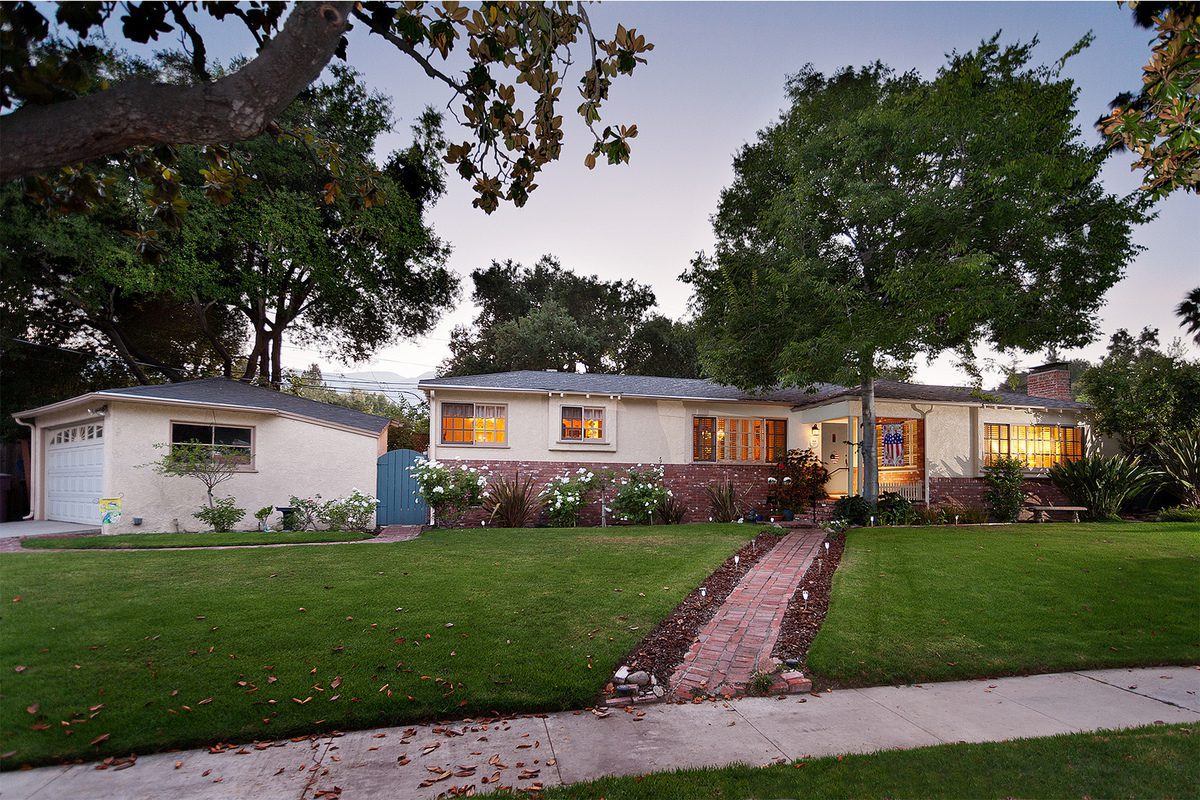
Many home seekers do an initial drive-by before scheduling a showing and narrow down their prospects to the homes that made a good impression on them. So, if you are selling your home, focusing on the way it looks from the street is the first step towards getting a good deal. Even though this might require more than trimming the hedges and planting a few flowers, improving the curb appeal of your home will improve your position as a seller.

Exterior Facelift

The first rule of improving curb appeal is to remove and fix everything outdated or dilapidated. If the paint on your home is faded or chipping off, you should give it a fresh new look. The same goes for doors, siding, and windows. Luanne recommended,

One of the most common things I have my homeowners do is paint the front door a bold colour. Quite often I find the front door is drab or the same colour as the surrounding trim. You want the door to attract positive attention, to draw the buyer’s eye and be a focal point.

You can combine colours of walls, doors, siding, and windows to create a bright welcoming look. When choosing the colour, try to go for a modern look like tan trim on a red brick house rather than white. Do not forget about the windows because, as they say, they are the eyes to the house. Clean them, give the frames a fresh new layer of paint, and install new window boxes with flowers that match your home’s architectural style.

You might also want to add a few new interesting features such as a new door knob, house number, or mailbox. These features provide subtle enhancements that help to improve the home’s overall look. As Luanne advised,

Buy a new door mat. The largest that will fit your space and not the cheapest one, one that suits the value of the home. It’s a welcome mat, make sure it is welcoming.

Of course, everything should be in pristine condition. Ensure that there are not any cracks or rotting material. Repair and clean gutters, check that the roof is in good condition without any loose or missing shingles. If you have a patio on the front side of your house, you might consider investing in new furniture and decorations. A potential buyer should be able to picture himself or herself sitting on the porch, having a morning coffee or relaxing with the family. Ensure that porch railings are in good condition because shabby railings are dangerous and might discourage potential buyers.

According to a 2014 survey conducted by Remodelling Magazine in conjunction with the U.S. National Association of Realtors, seven of the top ten home improvements with the highest return on investment were exterior replacements. A new steel entry door will return almost 97 percent of its cost and a new wooden deck will recoup approximately 87 percent of the expenses.

Declutter

If you pass sports equipment, garden tools, toys, or other clutter in your front yard every day, you might have gotten used to it and you might not notice anymore. But potential homebuyers spot this kind of clutter at first sight and are repulsed by it. So you should have a good look at your house from the street and get rid of anything that stands out and detracts from the curb appeal. As Luanne suggested,

Seeing the house in a picture makes it easier to be objective – are there overgrown hedges or shrubs that are too large for the space. Is the walk neat, is the porch inviting. The front of the house should always be attended at any time of the year; whether it means mowing the lawn or shovelling snow.

Buyers won’t spot the attractive architecture of your house if all they can see is clutter. Even garbage cans should be in a spot that is not visible from the street. In addition to keeping your front yard clean of personal items, you should also ensure that your pet doesn’t leave any mess. When buyers walk to the front door with good first impressions, they are less likely to notice minor flaws inside.

Landscaping

A well-maintained garden sends a clear message that you take care of the house. Studies in Canada and the U.S. suggest that landscaping can add anywhere from 4 percent to 15 percent to the value of your home. Landscaping helps create a good first impression of your property and might attract potential buyers to your home. Mow the lawn, pull weeds, trim hedges, and cut away large tree branches that might block the view from the street. Remove any dead or discarded foliage and add a fresh layer of mulch. You should also add some colour to your yard and fill empty spaces with new flowers.

Be cautious and keep your front yard simple and easy to maintain so that the buyer is not frightened by a garden that requires hours of demanding maintenance. Luanne noted,

When selling a house one should always stand on the street and take a picture of the front of the house from a couple of angles. This gives a seller a better idea of how a buyer will see their home. When we look at our own homes we overlook some things and look more at the things we like.

Landscaping is also a good way to block unwanted scenery from the neighbourhood. It is always better to look at trees and hedges than tall commercial buildings. Toronto buyers like tall shrubs that accentuate and frame interesting features of the house and yard. On the other hand, overgrown landscaping and unkempt bushes in front of your house will distract buyers and hide the nice features you would like potential buyers to see.

Fence

Installing a new fence or repairing an old one is an effective way to increase your house’s curb appeal. Many people either don’t have or neglect their fence and don’t realize all the benefits that a well-kept fence has, especially in the eyes of potential buyers. You don’t have to build a fortress that hides everything potential buyers would like on your house but rather a small, tasteful boundary between the street and your private space. Not only does this make your house look more secure, but it might also make the front yard seem larger and create an inviting entrance to your property.

Outdoor Lighting

Outdoor lighting is another feature that has a huge impact on your home’s curb appeal. You can use it to highlight the ornamental features of your home as well as your garden. A nicely illuminated garden can set a pleasant atmosphere that everyone likes. Furthermore, it provides safety and security, especially in winter. Many Toronto homebuyers drive by in the late afternoon after they return from work and they tend to return to homes that are well-illuminated and make them feel secure.

Driveway

You might have a beautiful new house but an old, cracked driveway full of potholes will make the home look significantly older and even neglected. The driveway is one of those things that potential buyers notice first and that has a huge influence on their overall impression of the house. So, if you want to attract as many buyers as possible and sell your house for a better price, you should definitely add repaving your old driveway to your to-do list.

Plus, you can give your driveway a fresh, attractive look by installing a border alongside it. The edging can be either at the same level as the driveway or elevated, which prevents people from driving onto your lawn. The edging can be made of different materials such as bricks, pavers, or stone and you can add different colours and decorative designs.